Anxiety is a fundamental human experience, a built-in alarm system designed to alert us to potential threats. In the modern world, however, this system can become overactive, triggering persistent feelings of worry, fear, and unease that interfere with daily life. While nearly everyone experiences transient anxiety, a significant portion of the population contends with chronic symptoms that can feel overwhelming. The challenge lies not in eliminating anxiety entirely—an impossible and undesirable goal—but in learning to manage it effectively. Managing anxiety well is not about quick fixes. It means building a set of personal strategies that help you stay strong over time. This involves understanding the intricate relationship between mind and body, reshaping our thought patterns, and building a lifestyle that supports sustained calm.
Introduction: Embracing Sustainable Anxiety Management
Life today is complex. You often have to balance work, personal health, and outside pressures. Anxiety can be a strong force. It affects your work and your personal relationships. The goal of this article is to move beyond temporary coping mechanisms and delve into proven, sustainable strategies for managing anxiety in daily life. Sustainable management implies creating a resilient framework of habits, skills, and support systems that do not just alleviate symptoms in the short term but foster a lasting sense of equilibrium. It requires a multifaceted approach—one that empowers you to understand your anxiety, address its root causes, and build the confidence to navigate life’s challenges with greater ease and resilience.
Understanding Anxiety: More Than Just Stress
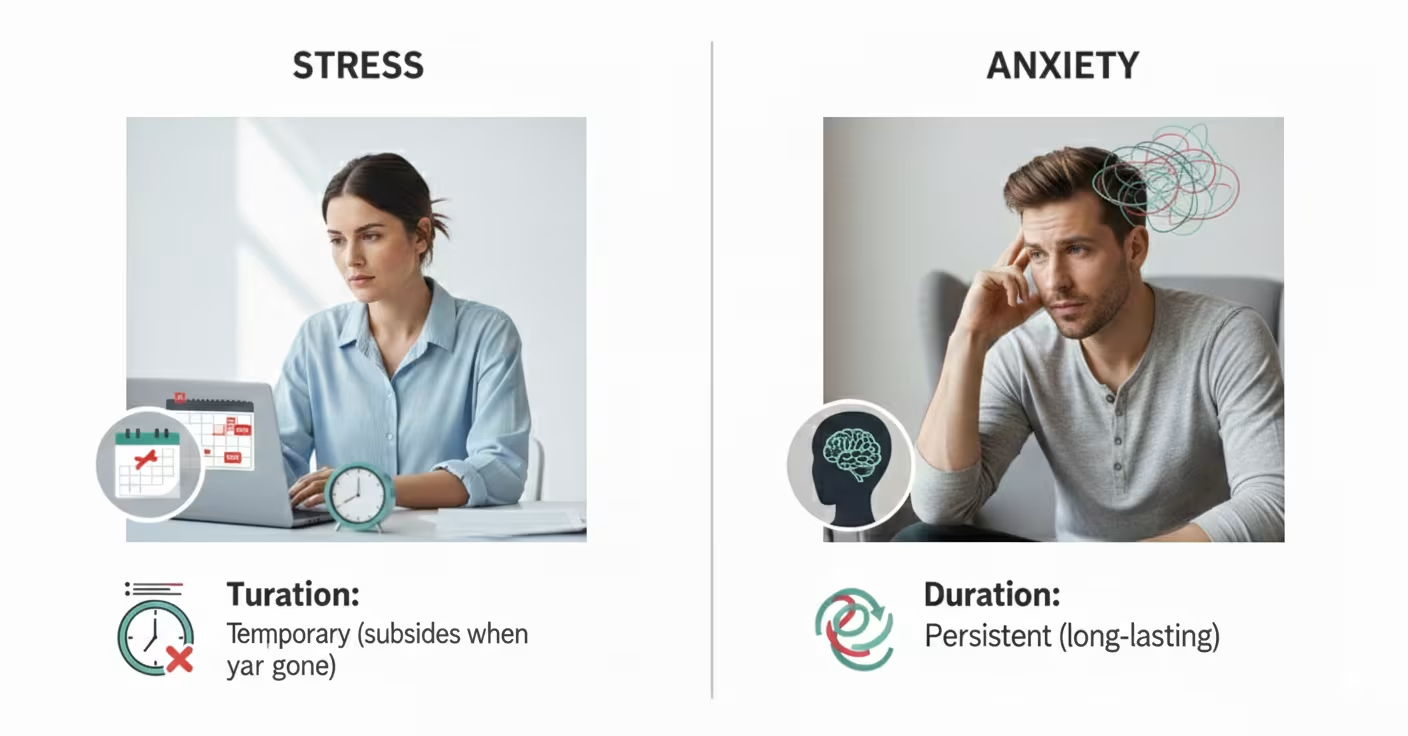
 Key differences between stress and anxiety, highlighting their triggers and duration.
While the terms "stress" and "anxiety" are often used interchangeably, it is crucial to understand their distinction for effective management. Stress is typically a response to an external trigger, such as a work deadline or a difficult conversation. It tends to subside once the trigger is removed. Anxiety, on the other hand, is a more persistent state of apprehension and worry that can exist even without an immediate, identifiable stressor. It is an internal reaction characterized by intrusive thoughts about future events and a heightened state of physiological arousal known as the flight-or-fight response.
When this state becomes chronic and severe, it may indicate one of several anxiety disorders. These are not signs of personal weakness but are recognized medical conditions that affect millions worldwide. According to the World Health Organization, anxiety disorders are the most common of all mental disorders. They include:
- Generalized Anxiety Disorder (GAD) (also spelled Generalised Anxiety Disorder): Characterized by excessive, uncontrollable worry about various aspects of life.
- Panic Disorder: Involves sudden, intense episodes of fear known as panic attacks, often accompanied by frightening physical symptoms like a racing heart, chest pain, and shortness of breath, which can sometimes be mistaken for a heart attack.
- Social Anxiety Disorder (also known as social phobia): An intense fear of social situations due to worry about being judged or scrutinized by others. This goes far beyond shyness and can be debilitating.
- Specific Phobias: An overwhelming and irrational fear of a specific object or situation, such as heights, flying, or insects.
- Separation Anxiety Disorder: An excessive fear or anxiety concerning separation from those to whom the individual is attached.
- Selective Mutism: A complex childhood anxiety disorder characterized by a child's inability to speak and communicate effectively in select social settings, such as at school.
Recognizing the common symptoms of anxiety is the first step. These feelings can be emotional, like dread or irritability. They can be mental, like racing thoughts or trouble focusing. They can also be physical, like headaches, muscle tension, stomach problems, or tiredness.
Decoding Your Anxiety: Building Awareness for Effective Management
Managing anxiety well starts with knowing yourself. Before any strategy can be successfully implemented, one must first understand the unique nature of their own anxiety. This involves a process of decoding—observing and identifying the specific triggers, thought patterns, and physical sensations that constitute one's personal experience of anxiety. This foundational step is not about judgment or criticism; it is about gathering crucial data. By becoming a curious observer of your inner world, you can move from a reactive state, where anxiety seems to happen to you, to a proactive one, where you are equipped with the knowledge to respond thoughtfully. This awareness transforms anxiety from a vague, monolithic threat into a series of understandable patterns that can be addressed.
Identifying Your Unique Anxiety Triggers
A trigger is any internal or external cue that initiates an anxious response. Identifying these anxiety triggers is akin to creating a map of your anxiety, revealing the situations, thoughts, or sensations that consistently lead to heightened symptoms. Triggers are highly personal and can range from the obvious to the subtle.
- External triggers might include specific environments like crowded public spaces (common in social anxiety), demanding work projects, financial pressures, or conflict within a key relationship. They can also be sensory, such as a particular noise or smell that has become associated with a past stressful event.
- Internal triggers originate from within and are often more challenging to pinpoint. They can be physical sensations, such as a racing heart, which the mind misinterprets as a sign of danger, triggering a panic attack. Other internal triggers include memories of past trauma, negative self-talk, or dwelling on future "what-if" scenarios.
To identify your triggers, try keeping a simple journal for a week or two. Note when you feel anxious and record the context: Where were you? Who were you with? What were you doing? What were you thinking about just before the anxiety started? This practice illuminates the patterns that keep your anxiety cycle going.
Recognizing Unhelpful Thinking Patterns
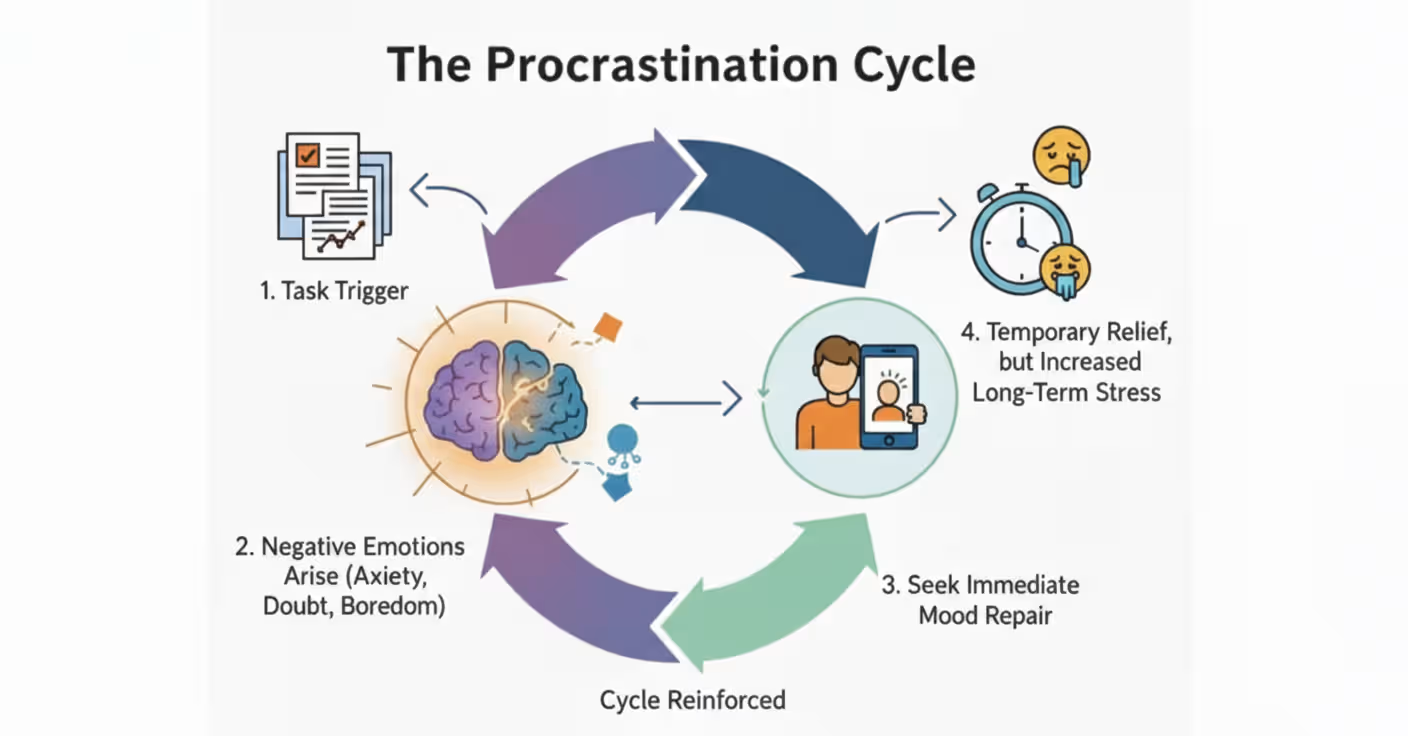
Anxiety is not just a feeling; it is powerfully fueled and maintained by specific patterns of thought. These cognitive distortions are biased ways of thinking that reinforce negative emotions and perceptions. Recognizing these is a cornerstone of many successful treatments, including cognitive therapy and behavioral therapy. Here are some of the most common patterns of unhelpful thinking associated with anxiety:
- Catastrophizing: This is the tendency to jump to the worst-possible conclusion. A minor mistake at work is interpreted as a sign of imminent dismissal, or a slight physical symptom is perceived as evidence of a serious illness.
- All-or-Nothing Thinking (Black-and-White Thinking): This involves seeing situations in absolute, binary terms. If a performance is not perfect, it is considered a complete failure. There is no middle ground.
- Mind Reading: Assuming you know what other people are thinking, usually negatively, without any concrete evidence. This is a primary driver of social anxiety disorder.
- Fortune Telling: Predicting a negative outcome for the future and believing it to be an established fact. For example, "I know I'm going to fail that presentation."
- Overgeneralization: Taking a single negative event and turning it into a never-ending pattern of defeat. For example, after one difficult social interaction, you might conclude, "I'm always awkward."
These automatic thoughts often occur so quickly that we don't even notice them. Learning to slow down and identify these patterns is the first step toward challenging their validity and reducing their power over your emotional state.
Foundational Pillars: Daily Habits for Sustained Calm
While targeted psychological techniques are essential, they are most effective when built upon a stable foundation of physical health and well-being. Sustainable anxiety management is deeply rooted in daily habits that regulate the nervous system and enhance resilience to stress. These basic parts include lifestyle, nutrition, physical activity, and sleep. They are not just extra steps. They help prevent anxiety by directly affecting brain chemistry and body processes. Consistently tending to these areas creates a baseline of calm and stability, making it easier to deploy more specific cognitive and behavioral strategies when acute symptoms arise. Neglecting them can undermine even the most sophisticated therapeutic interventions.
Optimizing Your Lifestyle for Anxiety Resilience
Creating a lifestyle that supports mental wellness is a critical component of managing anxiety. This involves making conscious choices in several key areas to reduce physiological stress and promote emotional regulation. These healthy habits form the bedrock of long-term resilience.
- Establish a Consistent Exercise Routine: Physical activity is a potent anxiety-reducer. Research shows that exercise can be as effective as medication for some people in reducing symptoms of anxiety and depression. It boosts endorphins, improves sleep, and provides a focused distraction from worry. Aim for a mix of activities:
- Moderate-intensity physical activity: This includes brisk walking, cycling, or water aerobics. Aim for at least 150 minutes per week, as recommended by health authorities like the NHS.
- Vigorous-intensity activity: Activities like running, swimming laps, or playing a sport can provide even greater benefits. Aim for 75 minutes per week.
- The key is consistency. Find an exercise routine you enjoy and make it a non-negotiable part of your week.
- Prioritize Sleep Hygiene: Anxiety and poor sleep are locked in a vicious cycle. Anxiety can make it hard to sleep, and sleep deprivation can worsen anxiety. Improve your sleep by creating a relaxing bedtime routine, avoiding screens an hour before bed, maintaining a consistent sleep-wake schedule, and ensuring your bedroom is dark, quiet, and cool.
- Mindful Nutrition: The connection between gut health and brain health is increasingly recognized. A diet high in processed foods, sugar, and caffeine can exacerbate symptoms of anxiety. A balanced diet rich in whole foods—fruits, vegetables, lean proteins, and complex carbohydrates—provides the nutrients for stable mood and energy levels. Pay attention to caffeine intake, as it can mimic or worsen the physical sensations of anxiety.
Cultivating Inner Calm Through Mindfulness and Relaxation Techniques
Beyond broad lifestyle changes, specific practices designed to calm the nervous system are essential for daily anxiety management. These relaxation techniques help to counteract the body's flight-or-fight response, which is often chronically activated in individuals with anxiety.
- Mindfulness and Meditation: Mindfulness is the practice of paying attention to the present moment with non-judgmental awareness. Anxiety is often rooted in worries about the future or rumination about the past. Mindfulness anchors you in the here and now, breaking the cycle of anxious thinking. Start with just 5-10 minutes a day using a guided meditation app or simply focusing on the sensation of your breath.
- Breathing Exercises: When you are anxious, your breathing often becomes shallow and rapid. This can lead to physical symptoms like dizziness and a racing heart. Correct breathing techniques can quickly reverse this process. Diaphragmatic breathing (or "belly breathing") is one of the most effective breathing exercises. Inhale slowly through your nose for four counts, allowing your belly to expand. Hold for a moment, then exhale slowly through your mouth for six counts. Repeating this for a few minutes can have a profound calming effect on your nervous system.
- Progressive Muscle Relaxation: This is another powerful coping strategy. It involves systematically tensing and then releasing different muscle groups throughout the body. This practice helps you become more aware of where you hold tension and teaches you to release it consciously.
- Positive Affirmations: While not a cure-all, consciously replacing negative self-talk with Positive affirmations can help shift your mindset over time. Phrases like "I am capable of handling this challenge" or "This feeling of anxiety is temporary and will pass" can provide comfort and build self-efficacy during difficult moments.
Cognitive & Behavioral Strategies: Reshaping Your Relationship with Anxiety
While lifestyle adjustments create a foundation for calm, directly addressing the mental habits that fuel anxiety is a critical next step. Cognitive and behavioral strategies, central to treatments like cognitive behavioral therapy (CBT), provide a structured framework for changing how you think about and respond to anxious feelings. These are not about suppressing or ignoring anxiety, but rather about fundamentally reshaping your relationship with it. By learning to identify, challenge, and reframe unhelpful thoughts, and by modifying behaviors that perpetuate the anxiety cycle, you can gain a sense of agency over your mental state. These techniques empower you to become an active participant in your own well-being, moving from being controlled by anxiety to skillfully navigating it.
Challenging Anxious Thoughts with Cognitive Restructuring
Cognitive restructuring is a core technique of Cognitive Behavioral Therapy (CBT) that involves identifying and challenging cognitive distortions. The goal is to replace biased, anxiety-provoking thoughts with more balanced and realistic ones. This is one of the most effective self-help CBT techniques.
- Identify the Anxious Thought: The first step is to become aware of the specific thought that is causing distress. For example, after making a small error in an email, the thought might be, "Everyone is going to think I'm incompetent."
- Gather Evidence: Treat the thought as a hypothesis, not a fact. Actively look for evidence that supports and contradicts the thought. Evidence for might be, "I made a mistake." Evidence against could be, "I've completed dozens of projects successfully," "My boss praised my work last week," or "Most people are focused on their own work and likely won't even notice."
- Challenge the Thought: Ask yourself critical questions. "Is there another way to look at this situation?" "What is the worst that could happen, and could I handle it?" "What would I tell a friend who had this thought?" This process helps to break down the thought's believability.
- Develop a Balanced Alternative: Create a more realistic and compassionate thought to replace the initial anxious one. For instance, "I made a small mistake, which is human. I can correct it, and it doesn't reflect my overall competence."
Structured Approaches to Worrying
For individuals with generalized anxiety disorder (GAD), worry can feel constant and uncontrollable. A structured approach can help contain it. One effective technique is scheduling "worry time." This involves setting aside a specific, limited period each day (e.g., 15-30 minutes in the early evening) to actively engage with your worries.
During this designated time, you allow yourself to think about and even write down everything that is causing you anxiety. A key part of this is using the time for active problem solving on worries you can control, and practicing acceptance for those you cannot. The rule is to consciously postpone any worrying that arises outside of this scheduled period. When an anxious thought appears during the day, you make a brief note of it and tell yourself, "I will think about this during my worry time at 6:00 PM." This technique breaks the habit of constant rumination and teaches you that you have control over when and how you engage with your worries.
Building Self-Compassion and Self-Esteem
Anxiety is often intertwined with harsh self-criticism. Individuals with anxiety may berate themselves for their symptoms or for perceived shortcomings that fuel their worries. Cultivating self-compassion is a powerful antidote. Self-compassion involves treating yourself with the same kindness, care, and understanding that you would offer to a good friend who is struggling. It has three core components:
- Self-Kindness vs. Self-Judgment: Actively softening your inner critic and responding to your own suffering with warmth and understanding.
- Common Humanity vs. Isolation: Recognizing that suffering and personal inadequacy are part of the shared human experience. Everyone struggles; you are not alone in your anxiety.
- Mindfulness vs. Over-Identification: Observing your negative thoughts and emotions with awareness, without getting swept away by them.
Practicing self-compassion can lower cortisol levels, reduce the intensity of the anxiety response, and build a foundation of inner security that makes it easier to face life's challenges.
When to Seek Professional Support: A Path to Deeper Healing
While self-management strategies are powerful and essential, there are times when they may not be sufficient to manage the intensity or persistence of anxiety symptoms. Recognizing when to seek professional support is a sign of strength and a crucial step toward deeper, more comprehensive healing. A mental health professional can give you a clear, proven plan to recover. They offer tools, insights, and support that are hard to get alone. Engaging with professional help is not an admission of failure in self-management; rather, it is an empowered decision to expand your toolkit and invest in your long-term well-being.
Recognizing the Need for Expert Guidance
It can be challenging to know when anxiety has crossed the line from a manageable daily stressor to a condition requiring professional intervention. Key indicators suggest it's time to seek help from healthcare professionals:
- Significant Impairment in Functioning: If anxiety is consistently interfering with your ability to perform at work or school, maintain your relationships, or engage in daily activities, it is a clear sign that professional support is needed.
- Persistent Physical Symptoms: Chronic physical symptoms of anxiety, such as digestive issues, headaches, fatigue, or sleep disturbances, warrant a consultation to address the anxiety itself.
- Over-reliance on Unhealthy Coping Mechanisms: If you find yourself turning to substances like alcohol, or engaging in avoidance behaviors to a degree that shrinks your life, a therapist can help you develop healthier strategies.
- The Symptoms Are Overwhelming: If you are experiencing frequent panic attacks, dealing with trauma-related symptoms of acute stress disorder, or your anxiety feels consistently unmanageable and distressing, professional help is essential.
- In a Crisis: If your anxiety is leading to thoughts of self-harm, it is a medical emergency. Contact a crisis line or emergency services immediately (in the UK, this includes calling NHS 24 or dialing the ambulance phone 999).
Exploring Therapeutic Interventions (Psychotherapy)
Psychotherapy, often referred to as talk therapy, is one of the most effective treatments for anxiety disorders. Several therapeutic modalities are particularly effective:
- Cognitive Behavioral Therapy (CBT): Often considered the gold standard, CBT is highly recommended in sources like the UK's NICE guidelines. It is a practical, goal-oriented therapy that equips individuals with tangible skills to manage their symptoms. An Anxiety self-help guide based on CBT can also be a valuable starting point.
- Exposure Therapy: A component of behavioral therapy, this is particularly effective for specific phobias, panic disorder, and social anxiety. It involves gradually and systematically exposing yourself to feared situations in a safe environment until the fear subsides. Innovations in this field now include the use of technology like virtual reality (VR), where immersive VR environments can simulate triggers like public speaking or flying, allowing for safe and controlled exposure.
- Acceptance and Commitment Therapy (ACT): This therapy uses mindfulness to help individuals accept their difficult thoughts and feelings without judgment, while committing to actions aligned with their personal values.
Understanding Medication as Part of a Comprehensive Plan
Some people with moderate to severe anxiety find medicine helpful. Medicine is part of a full treatment plan that also includes therapy. It's important to view medication not as a cure, but as a tool to reduce symptoms to a level where therapeutic work can be more effective.
- Antidepressant Drugs: Certain classes of antidepressants are the most commonly prescribed medication for long-term anxiety management. These are often considered the first-line choice for treating chronic anxiety.
- Selective Serotonin Reuptake Inhibitors (SSRIs): These increase levels of the neurotransmitter serotonin in the brain.
- Serotonin-Noradrenaline Reuptake Inhibitors (SNRIs): These affect both serotonin and noradrenaline.
- Tricyclic Antidepressant (TCA): An older class of antidepressants, now used less frequently due to a higher side effect profile, but still effective for some people.
- It's crucial to work with a qualified healthcare provider to determine if medication is right for you, and to discuss potential side effects and benefits.
The Power of Connection and Support
Anxiety can be incredibly isolating. However, strong social support is a powerful buffer against stress.
- Friends and Family: Sharing your struggles with trusted friends and family can provide validation and reduce feelings of isolation.
- Support Groups: Joining a support group, either in person or online, connects you with others who have similar experiences. This shared understanding can be immensely comforting and empowering.
- Community Resources: Look for resources in your community. In the UK, services like NHS talking therapies offer free, effective treatments, while schemes like Reading Well provide expertly endorsed books on mental health available in local libraries.
What are the benefits and risks of using medication for anxiety management?
You must decide if you want to use medicine to manage anxiety. Talk with healthcare professionals to make this choice. Understanding both the potential benefits and the risks is crucial for making an informed decision. Antidepressant drugs are the most common long-term option and are not a quick fix, but a tool to be used within a broader framework of care.
Benefits of Medication:
- Symptom Reduction: The primary benefit is a significant reduction in the core symptoms of anxiety, such as persistent worry, panic attacks, and the debilitating physical symptoms. For many, medications like selective serotonin reuptake inhibitors (SSRIs) can lower the "volume" of anxiety, making daily life more manageable.
- Enabling Therapeutic Engagement: When anxiety is severe, it can be difficult to engage in or benefit from psychotherapy like cognitive behavioral therapy. Medication can stabilize mood and reduce physiological arousal to a point where a person can actively participate in and learn from therapy.
- Improved Functioning: By alleviating symptoms, medication can help restore a person's ability to function at work, in school, and in social relationships, breaking the cycle of avoidance and isolation common in conditions like social anxiety disorder.
Risks and Considerations of Medication:
- Side Effects: All medications have potential side effects. For SSRIs and SNRIs, these can include nausea, headaches, drowsiness, and sexual dysfunction, though they often subside after the initial weeks. It's important to report any adverse effects to your doctor. In the UK, patients can also report side effects through the Yellow Card Scheme, run by the Medicines and Healthcare Products Regulatory Agency (MHRA).
- Time to Efficacy: Unlike some fast-acting medications, antidepressants can take four to six weeks to reach their full therapeutic effect. This waiting period can be challenging.
- Withdrawal Symptoms (Discontinuation Syndrome): Stopping these medications, especially abruptly, can lead to withdrawal symptoms. It is essential to taper off medication slowly under a doctor's supervision.
- Not a Standalone Cure: Medication addresses the biological symptoms of anxiety but does not resolve the underlying thought patterns or behavioral habits. This is why it is most effective when combined with standard care practices like therapy. As noted by the Cleveland Clinic, therapy is crucial for developing long-term coping skills.
Sustaining Progress: Navigating Challenges and Embracing Long-Term Well-being
Achieving a state of reduced anxiety is a significant accomplishment, but the journey doesn't end there. The ultimate goal is to sustain this progress over the long term, integrating anxiety management into the fabric of your life. This phase is about transitioning from active, intensive intervention to a state of mindful maintenance. It involves creating a durable, flexible plan, learning to navigate the inevitable setbacks with grace, and continuing to build