Most Recent

Mastering Your Sleep Cycles: Unlock Deeper Rest and Peak Performance
What are sleep cycles and how do they work? The quest for peak performance often focuses on what we do during the day: our work, our workouts, our nutrition. Yet, the foundation of our daily success is built during the hours we spend in bed. For decades, the conversation around sleep has been dominated by a single metric: the number of hours. While getting enough time to rest is undeniably important—with data showing that 1 in 3 U.S. adults regularly don't get enough sleep—this narrow focus overlooks the intricate and powerful biological processes that govern the quality of our rest. Merely clocking in eight hours does not guarantee a refreshed mind or a revitalized body.
Most Popular
Mastering Your Sleep Cycles: Unlock Deeper Rest and Peak Performance
What are sleep cycles and how do they work? The quest for peak performance often focuses on what we do during the day: our work, our workouts, our nutrition. Yet, the foundation of our daily success is built during the hours we spend in bed. For decades, the conversation around sleep has been dominated by a single metric: the number of hours. While getting enough time to rest is undeniably important—with data showing that 1 in 3 U.S. adults regularly don't get enough sleep—this narrow focus overlooks the intricate and powerful biological processes that govern the quality of our rest. Merely clocking in eight hours does not guarantee a refreshed mind or a revitalized body.

The Ultimate Guide to Sleep Hygiene: Habits for Deeper, Restorative Nights
In a world that prizes productivity and constant connectivity, quality sleep often becomes the first casualty. We treat it as a luxury rather than the biological necessity it is, a mindset reflected in widespread fatigue and burnout. The pursuit of healthy sleep can feel like a complex puzzle, but the solution often lies in a collection of simple, powerful habits known collectively as sleep hygiene. Recent data underscores the growing problem, with a Sleep Foundation survey revealing that 37% of people reported their sleep quality worsened in 2023. Furthermore, the trend of decreasing sleep duration is concerning; in 2023, 53% of Americans reported sleeping for only 6–7 hours per night, a significant drop from previous years. This guide moves beyond generic advice to provide a comprehensive, science-backed framework for mastering your sleep. It is a roadmap to transforming your nights from a source of frustration into a period of profound physical and mental restoration.

Sharpen Your Mind: The Definitive Guide to Science-Backed Brain Training
In an age of information overload and increasing demands on our mental faculties, the quest for a sharper, more resilient mind has never been more relevant. The concept of "brain training"—actively engaging in exercises to enhance cognitive abilities—has exploded into a multi-billion dollar industry, promising everything from improved memory to protection against age-related decline. But with a dizzying array of apps, games, and techniques all vying for our attention, a critical question emerges: What truly works?

The Definitive Guide to Flow State: How to Trigger Peak Performance & Deep Focus
The pursuit of excellence is a universal human endeavor. Whether on the sports field, in an artist’s studio, or at a desk, individuals constantly seek ways to transcend their limitations and achieve peak performance. This quest often leads to the discovery of a unique state of consciousness where action and awareness merge, time seems to dissolve, and performance soars. This state, known as "flow," is not a mystical gift but a psychological phenomenon that can be understood, cultivated, and triggered. It represents the pinnacle of deep focus, where the brain operates with remarkable efficiency and creativity. For anyone looking to enhance their productivity, creativity, and overall sense of fulfillment, understanding the mechanics of flow is not just an academic exercise—it is a practical pathway to unlocking one's full potential.

The 5-Step Blueprint for Eliminating Distractions and Achieving Unstoppable Focus
In an age of unprecedented connectivity, our ability to concentrate has never been more fragmented. The constant barrage of notifications, the allure of social media, and the pressure to multitask have created a modern paradox: we have more tools to be productive, yet genuine focus is increasingly elusive. This isn't just a minor inconvenience; it's a significant barrier to achieving our professional goals, cultivating meaningful relationships, and experiencing a deeper sense of engagement with life. Many of us feel this deficit acutely, with 68% of people reporting they lack sufficient uninterrupted focus time during the workday. The feeling of being pulled in a dozen directions at once generates stress and diminishes the quality of our output. This article moves beyond simple tips and tricks to offer a comprehensive, systematic approach. It presents a 5-step blueprint designed not just to eliminate distractions, but to fundamentally retrain your attention and build a resilient capacity for deep, "unstoppable" focus. By understanding the psychology of distraction, architecting your environment, mastering your internal landscape, and executing with precision, you can reclaim your time and attention. This blueprint is a structured pathway to move from a state of reactive fragmentation to one of proactive, intentional concentration, unlocking higher levels of productivity and personal fulfillment.

Master Deep Work: Your Step-by-Step Guide to Uninterrupted Focus and Breakthrough Results
In an age of relentless pings, endless feeds, and the constant hum of connectivity, the ability to focus has become a modern superpower. The prevailing culture of immediacy rewards quick responses and visible busyness, yet the most valuable work—the kind that produces breakthrough innovations, deep insights, and masterful skill—requires something else entirely: sustained, uninterrupted concentration. This guide is a comprehensive roadmap to reclaiming your attention from the clutches of distraction. It provides a step-by-step framework for mastering the art of "deep work," a methodology for achieving extraordinary results by cultivating intense focus. We will move beyond simple productivity hacks to build a robust system for thinking deeply, producing high-quality output, and finding profound satisfaction in your professional life.

Actionable Concentration Techniques to Instantly Boost Your Focus
What are the main concentration techniques used in laboratory practice? In a world saturated with information and incessant digital noise, the ability to concentrate has become a modern superpower. Yet, for many, this power feels increasingly out of reach. The constant ping of notifications, the allure of social media, and the pressure to engage in multitasking create a perfect storm for a fragmented attention span. The consequences are significant: diminished productivity, increased stress, and a pervasive feeling of being overwhelmed. It's a common struggle, underscored by observations that the average human attention span is approximately 8 seconds, a stark indicator of our collective challenge with focus.

Master Deep Breathing: Simple Steps for Instant Calm and Focus
In a world of constant notifications, deadlines, and digital noise, the ability to find a moment of peace and clarity can feel like a superpower. This power, however, is not external; it resides within you, accessible at any moment through the simple, conscious act of breathing. Deep breathing is more than an automatic bodily function; it is a potent tool for managing your mental and physiological state. By mastering specific breathing techniques, you can intentionally shift your body out of a state of stress and into one of calm, while simultaneously sharpening your mental focus. This article serves as a comprehensive guide to understanding and mastering this innate ability. We will explore the science behind how a controlled breath can instantly alter your nervous system, delve into foundational and advanced breathing exercises, and provide a practical roadmap for integrating these practices into your daily life. The goal is to move beyond simply knowing about deep breathing and empower you to use it as a reliable, on-demand tool for enhanced well-being.

Unlock Inner Calm: 15 Research-Backed Benefits of Meditation for a Hectic World
In an era defined by relentless connectivity and information overload, the pursuit of inner peace has transitioned from an esoteric ideal to a fundamental necessity for well-being. The constant barrage of notifications, deadlines, and societal pressures creates a state of chronic stress, leaving many feeling overwhelmed, anxious, and disconnected. This modern reality has fueled a renewed interest in ancient practices that offer an antidote to the chaos. Among these, meditation stands out not only for its historical roots but for the substantial body of scientific evidence that now validates its profound benefits for the mind and body. This article explores the research-backed advantages of meditation, providing a comprehensive guide to how this simple practice can help you unlock a state of inner calm and build resilience in a hectic world.

Beyond Mindfulness: 15+ Essential Meditation Types for Every Goal
In a world saturated with wellness advice, "mindfulness" has become the ubiquitous answer to nearly every modern malady. While its benefits are profound and well-documented, this singular focus often obscures a vast, rich landscape of meditative practices, each with its own unique purpose, mechanism, and power. The journey into meditation doesn't end with mindfulness; for many, it's just the beginning. This narrow view can leave individuals feeling that if one approach doesn't work, meditation itself is not for them. The reality is that meditation is not a monolith; it is a diverse toolkit of mental technologies refined over millennia.

Your Daily Guided Meditation for Stress Relief & Lasting Calm
In a world of constant notifications, deadlines, and digital noise, the pursuit of quiet and calm can feel like an insurmountable challenge. Stress has become a default state for many, a persistent background hum that impacts our work, relationships, and overall health. Yet, within this modern landscape of perpetual motion, an ancient practice has re-emerged as a powerful, accessible tool for reclaiming inner peace: guided meditation. It offers a structured pathway not just to momentary relaxation, but to a profound and lasting sense of calm. This article serves as your comprehensive guide to establishing a daily guided meditation practice, moving from understanding its scientific foundations to integrating its benefits seamlessly into your life. We will explore the mechanisms that make it effective, the techniques you can use, and the steps to build a sustainable habit that can transform your relationship with stress, anxiety, and your own mind.

Mindfulness Made Simple: Your Essential Guide to Cultivating Presence and Calm
What are the signs that mindfulness is starting to work? Recognizing the effects of mindfulness is often a process of noticing subtle shifts rather than experiencing a single, dramatic change. The initial signs that a consistent practice is taking hold are typically internal and manifest in how you relate to your daily experiences. One of the earliest indicators is a heightened awareness of your own mental state. You might begin to notice the near-constant stream of thoughts—the "inner chatter"—without immediately getting swept away by it. Instead of being a passive passenger in your own mind, you start to become an observer. Another key sign is a reduction in emotional reactivity. An event that might have previously triggered an immediate, strong emotional response—such as frustration in traffic or irritation from a critical comment—may now be met with a brief pause. This pause is a critical space created by mindfulness; it allows you to observe the feeling arising without automatically acting on it. You might still feel the anger or anxiety, but there's a newfound capacity to choose your response rather than being driven by impulse. This translates to feeling less "hijacked" by your emotions throughout the day.

Unlock Your Potential: A Practical Roadmap for Lasting Personal Growth
The human desire for self-improvement is a powerful, persistent force. We are all, in some way, seeking to become better versions of ourselves—more skilled, more resilient, more fulfilled. Yet, the path to meaningful change can often feel abstract and overwhelming. The journey of personal growth is not about a single, dramatic transformation but a continuous process of self-discovery, learning, and intentional development. It is a commitment to evolving your skills, mindset, and understanding of yourself and the world. This article provides a practical, structured roadmap designed to demystify this process, guiding you through distinct phases of development that build upon one another to create lasting, sustainable change. By understanding the foundational principles, cultivating the right inner mindset, taking deliberate action, and building a supportive ecosystem, you can move from aspiration to tangible progress, unlocking the vast potential that resides within you.

Transform Your Inner Critic: A Guide to Cultivating Self-Compassion and Inner Strength
An internal monologue is a universal human experience, but when that inner voice becomes a relentless source of judgment, it can significantly diminish one's quality of life. This internal narrator, often termed the "inner critic," is a powerful force that shapes perceptions, influences decisions, and dictates emotional states. While its original intention may be protective—an attempt to prevent mistakes, social rejection, or failure—its methods are often harsh, leading to a cycle of self-doubt, anxiety, and diminished self-esteem. The challenge lies not in eradicating this voice, but in transforming the relationship with it. This guide provides a comprehensive framework for this transformation, moving beyond mere management to cultivate genuine self-compassion and build enduring inner strength. By understanding the critic's origins, learning the language of self-compassion, and applying practical, evidence-based strategies, it is possible to shift this internal dynamic from one of conflict to one of collaboration, turning a source of distress into a foundation for resilience and personal growth.

The Practical Roadmap: 5 Essential Steps to Building Unshakeable Self-Worth
What is self-worth and why is it important to build it? In a world of constant comparison and external validation, the pursuit of self-worth can feel like a relentless, often fruitless, endeavor. It's a deep-seated human need to feel valued, not for what we do, but for who we are. Yet, this fundamental sense of value is frequently confused with fleeting concepts like self-esteem or self-confidence, which rise and fall with our latest success or failure. This article is not about temporary fixes or surface-level affirmations. It is a practical, strategic roadmap designed to guide you through the essential steps of building a form of self-worth that is not dependent on external circumstances—an unshakeable foundation that provides resilience, clarity, and profound mental health benefits.

Stop the Cycle: A Comprehensive Guide to Overcoming Self-Defeating Behaviors
What role does childhood or past trauma play in developing self-defeating behaviors? It is a common human experience to act in ways that are contrary to one's best interests. This phenomenon, often occurring just as a goal is within reach, can manifest as procrastination on a critical project, initiating an argument in a healthy relationship, or neglecting self-care despite knowing its importance. These actions are not random acts of carelessness; they are often deeply ingrained patterns known as self-defeating behaviors. They are the invisible chains that hold individuals back from achieving their full potential, creating a frustrating cycle of ambition and self-sabotage. Understanding this cycle is the first, most critical step toward breaking it.

The Hidden Cost of Limiting Beliefs: How to Identify & Permanently Break Free
Every individual possesses a vast wellspring of potential, yet many find themselves tethered by invisible chains, unable to reach the goals they set for themselves. These constraints are not external barriers but internal constructs: limiting beliefs that silently dictate the boundaries of our achievements. They are the quiet whispers that say "I'm not good enough," the deep-seated assumptions that prevent us from seeking a promotion, and the learned patterns that sabotage our most ambitious business ventures. The cost of these beliefs is not merely a matter of missed opportunities; it is a cumulative tax on our well-being, career trajectory, and overall fulfillment. This article will dissect the anatomy of these self-limiting beliefs, reveal their hidden costs, trace their origins, and provide a comprehensive, evidence-based roadmap to identify and permanently break free from their grasp.

Finding Joy: 7 Simple Habits to Cultivate Daily Happiness
In the relentless pursuit of success, productivity, and fulfillment, the simple, profound state of joy can often feel like a distant luxury. We chase milestones and accomplishments, believing that happiness lies at the end of a long checklist, only to find that the finish line keeps moving. This modern paradigm often equates joy with grand achievements or momentous occasions, leaving the vast expanse of our daily lives feeling mundane or uninspired. But what if joy isn't a destination to be reached but a path to be walked? What if it's not found in the extraordinary, but cultivated in the ordinary?

The Essential Guide to Giving and Receiving Effective Emotional Support
In the complex tapestry of human experience, the threads of connection are what provide strength, color, and resilience. We are inherently social creatures, wired to seek and provide comfort in times of joy and distress. Yet, the ability to give and receive meaningful emotional support is a skill—one that can be learned, practiced, and refined. It is the silent language of empathy, the steady presence in a storm, and the shared laughter that lightens a heavy burden. Understanding the dynamics of this crucial interaction is fundamental to fostering robust mental health, building durable relationships, and navigating the inevitable challenges of life.

Finding Your Path: Comprehensive Guide to Effective Therapy & Mental Wellness
In an increasingly complex world, the pursuit of mental wellness has shifted from a peripheral concern to a central component of a fulfilling life. The conversation around mental health is growing, yet navigating the path to effective support can feel overwhelming. With global wellness now a booming $6.8 trillion economy, understanding the options is more critical than ever. This guide is designed to serve as a comprehensive map, helping you understand the landscape of therapy, identify your own needs, and embark on a journey toward greater emotional and psychological well-being. Whether you are contemplating your first session or seeking to deepen your understanding, this article will provide the clarity and information needed to find your unique path.

A Practical Guide to Self-Care for Depression: Small Steps, Big Impact
Navigating life with depression can feel like moving through heavy fog, where even the simplest tasks require monumental effort. The concept of self-care, often portrayed as lavish bubble baths or expensive retreats, can seem not only out of reach but almost irrelevant in the face of such profound emotional weight. However, true self-care for depression is not about grand gestures. It is about building a foundation of small, consistent, and compassionate actions that can, over time, create significant positive change.

Mood Disorders: Your Complete Guide to Understanding, Symptoms, and Effective Treatment Options
How effective is cognitive-behavioral therapy for mood disorders? The human experience is intrinsically tied to the ebb and flow of emotions. Moods color our perceptions, influence our decisions, and shape our interactions with the world. While fluctuations in mood are a normal part of life, for millions of people, these shifts are not fleeting but are instead persistent, intense, and disruptive. These are the hallmarks of mood disorders, a category of mental health conditions that can profoundly affect an individual's emotional state and overall well-being. Understanding these conditions is the first critical step toward effective management and recovery.

Healthy Emotional Expression: A Complete Guide to Communicating Your Feelings Constructively
Emotions are a fundamental aspect of the human experience, guiding our perceptions, decisions, and interactions. Yet, the ability to express these feelings constructively is a skill many find challenging. In a world where 39% of adults reported experiencing significant worry, understanding how to manage and communicate our internal states is more critical than ever. Ineffective communication isn't just a personal issue; it has tangible costs. In the corporate world alone, poor communication is estimated to cost organizations $2 trillion per year in lost productivity. This guide offers a comprehensive framework for developing healthy emotional expression, a cornerstone of personal well-being, professional success, and fulfilling relationships.
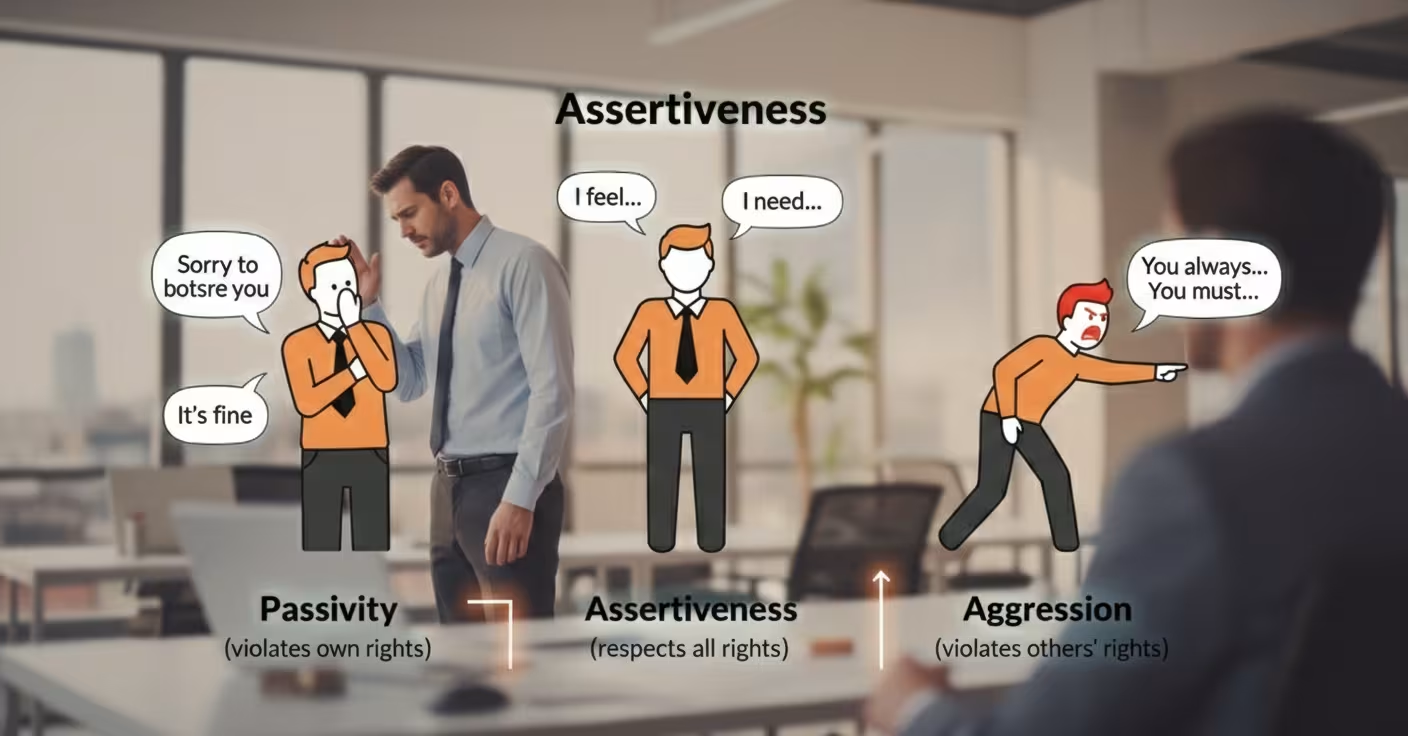
Build Unshakeable Assertiveness: Your Practical Guide to Confident Communication and Clear Boundaries
In a world that constantly demands our time, energy, and attention, the ability to communicate our needs and protect our space is not a luxury—it is a necessity. Many individuals find themselves caught between the extremes of passive avoidance and aggressive confrontation, struggling to find a middle ground that feels both effective and authentic. This guide is designed to illuminate that middle path: the path of unshakeable assertiveness. It is a practical framework for developing the confidence to speak your truth, the clarity to set firm boundaries, and the skill to foster healthier, more respectful relationships in every facet of your life. The journey to assertiveness is a journey back to self-respect, empowering you to navigate life's challenges with composure and conviction.
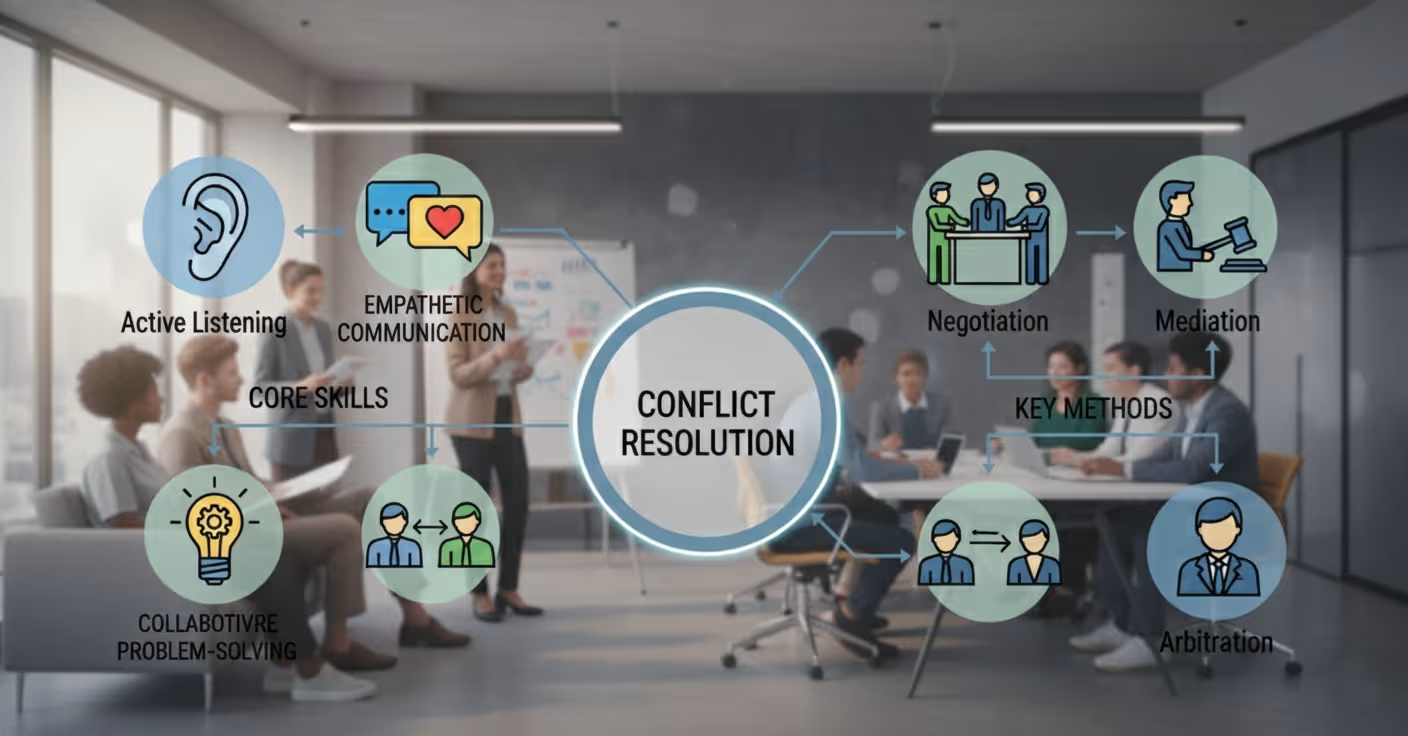
Mastering Conflict Resolution: A Step-by-Step Guide to Peaceful Outcomes
Conflict is an inherent part of the human experience, an unavoidable friction that arises whenever individuals with different needs, values, and perspectives interact. From minor disagreements in a family setting to complex disputes in the workplace, conflict can feel disruptive and stressful. The prevalence of this friction is significant; nearly two-thirds of U.S. workers have experienced incivility at work, a clear indicator of the routine nature of interpersonal clashes. However, the presence of conflict is not a sign of failure. Rather, how we navigate these disagreements determines whether they lead to broken relationships and stalled progress or become catalysts for growth, deeper understanding, and innovative solutions.
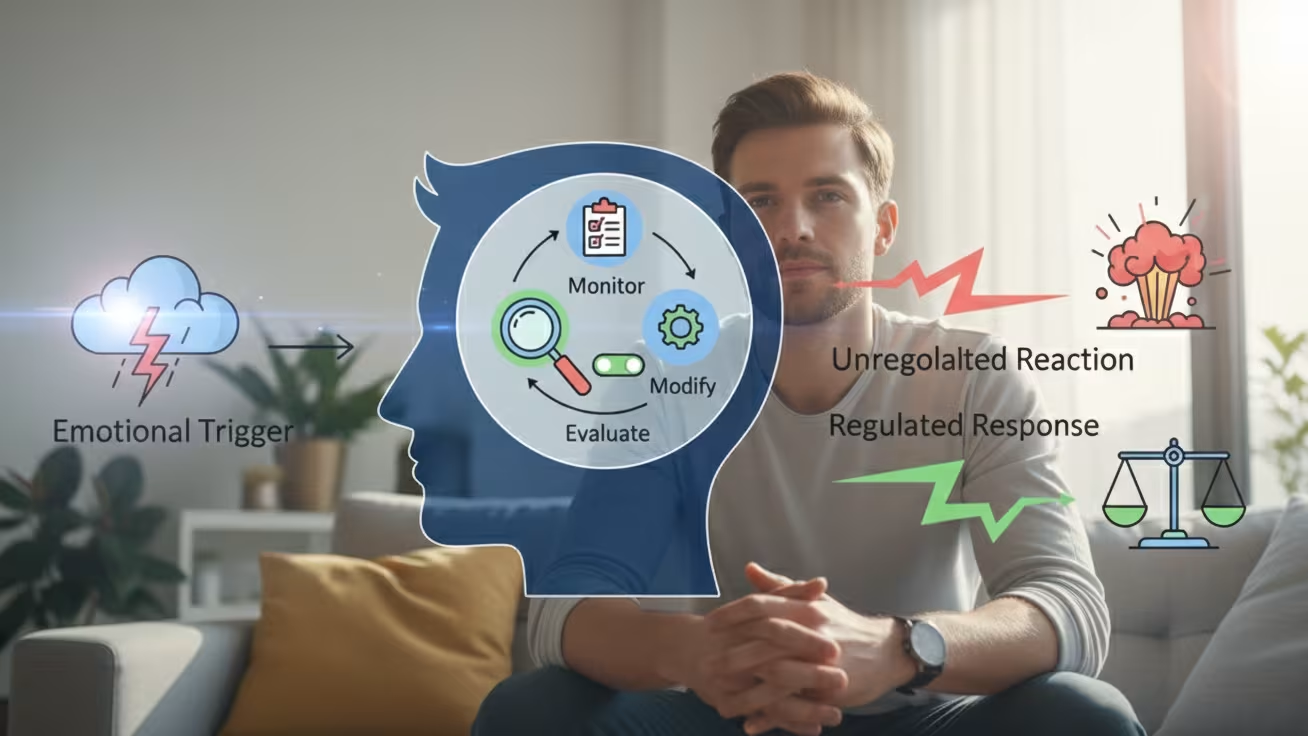
Mastering Emotional Regulation: A Practical Guide to Cultivating Inner Calm
What is emotional regulation and why is it important? Emotional regulation is a process of monitoring, evaluating, and modifying our emotional reactions to respond thoughtfully rather than reactively.
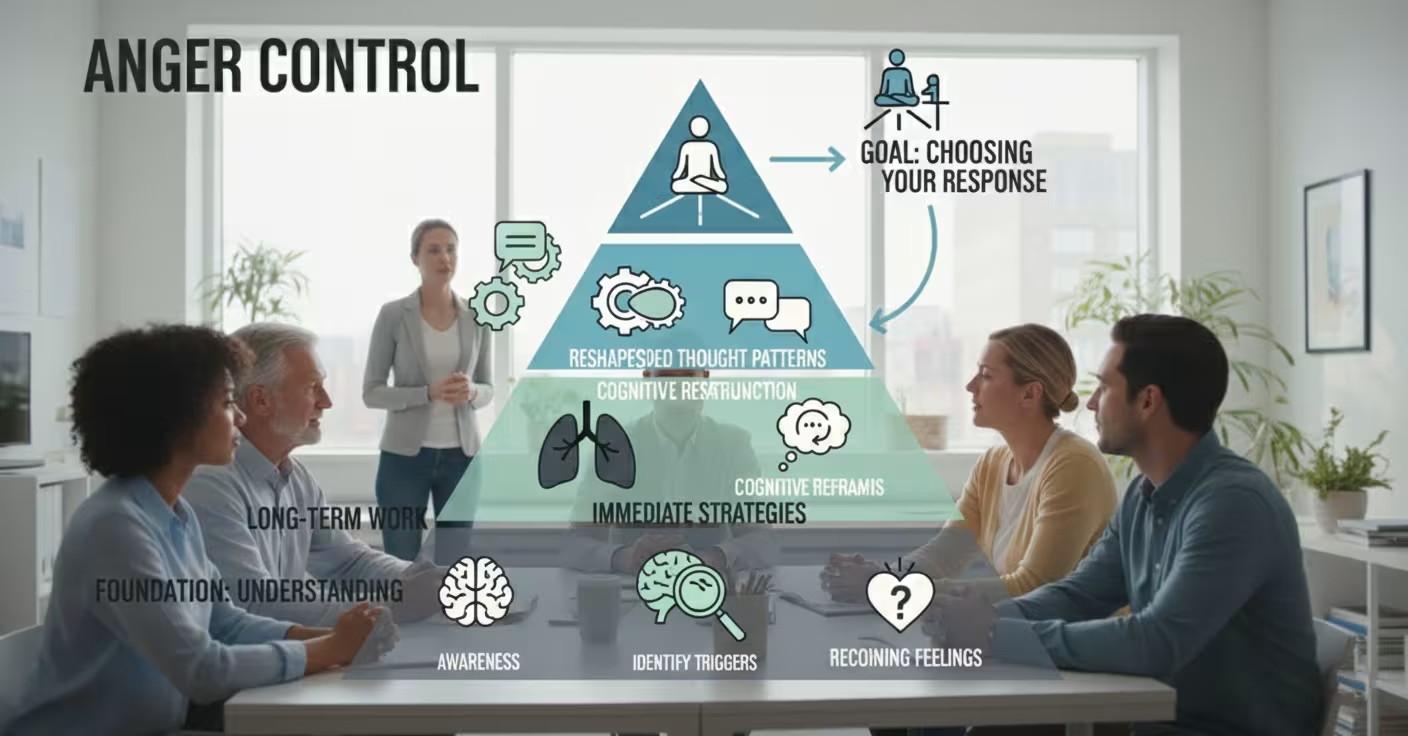
Master Your Anger: Essential Strategies for Lasting Emotional Control
Anger is a universal human experience. It’s the flash of heat when you feel wronged, the tightening in your chest during a frustrating traffic jam, or the slow burn of resentment after a conflict. While a normal and even healthy emotion, uncontrolled anger can become a destructive force, eroding relationships, damaging careers, and taking a significant toll on both physical and mental health. The modern world often seems engineered to provoke, with revealing that workers continue to report high levels of anger, often exceeding pre-pandemic levels. The challenge isn’t to eliminate anger entirely—an impossible and undesirable goal—but to understand, manage, and channel it constructively.

Breaking the Cycle of Negative Patterns: 5 Essential Steps for Lasting Change
Human experience is often defined by patterns. We build routines for efficiency, form habits for comfort, and develop responses based on past events. While many of these patterns serve us, others can become invisible cages, trapping us in cycles of negative thought, behavior, and emotion. These cycles—whether they manifest as procrastination, anxiety, unhealthy relationships, or more severe challenges like substance use—can feel inescapable, dictating the narrative of our lives. But within the human brain lies an extraordinary capacity for change. Breaking the cycle is not a matter of chance or sheer willpower; it is a deliberate process of understanding, intervention, and reconstruction.

Mindfulness for Beginners: Unlock Calm, Focus & Presence Today
Welcome to Your Mindfulness Journey: Discovering a New Way to Live. In a world of constant notifications, relentless deadlines, and an ever-present hum of digital noise, the ability to find stillness has become a rare and valuable skill. Many of us navigate our days on autopilot, reacting to external demands rather than responding from a place of clarity. We feel overwhelmed, perpetually distracted, and disconnected from the present moment. This constant state of 'doing' often leaves us feeling stressed and unfulfilled. If this experience resonates, you are not alone. There is a path toward reclaiming your attention, cultivating inner peace, and experiencing life with greater richness and depth. That path is mindfulness.

Unlock Your Focus: Daily Rituals for Unstoppable Mental Clarity
In an age of constant information and endless digital demands, the ability to maintain sharp, sustained focus has become a critical asset. Yet for many, the day is often characterized by a pervasive mental haze—a state commonly known as brain fog. This feeling of sluggish thinking, difficulty concentrating, and a general lack of sharpness can impede productivity, strain relationships, and diminish the overall quality of life. The quest to overcome this fog and achieve a state of unwavering mental clarity is not just about enhancing performance; it's about reclaiming control over our cognitive and emotional well-being. This journey requires moving beyond simple productivity hacks and quick fixes. It calls for a deeper understanding of the brain's intricate mechanics and the cultivation of consistent, intentional daily practices. By transforming scattered tips into foundational rituals, we can create a sustainable framework that supports optimal cognitive function from the moment we wake until our head hits the pillow. This article will serve as a comprehensive guide to building that framework, exploring the science behind focus and providing actionable rituals designed to unlock unstoppable mental clarity for a more productive and fulfilling life.

Decision-Making Explained: Your Guide to Smarter, More Confident Choices
In an age of unprecedented information flow and complexity, the ability to make clear, effective decisions is no longer just a desirable trait—it is an essential skill for personal and professional survival. From the minor choices that shape our daily routines to the major strategic pivots that define the future of an organization, the quality of our decisions dictates the quality of our results. Yet, for many, the process of deciding is fraught with anxiety, uncertainty, and a persistent fear of making the wrong choice. Research highlights this widespread challenge, with one study revealing that 85% of business leaders suffer from "decision distress," overwhelmed by the volume and velocity of choices they face.

Break Free from Rumination: Practical Strategies to Silence Overthinking and Reclaim Your Mind
Why do people experience rumination and what triggers it? Rumination is a complex cognitive pattern that stems from a combination of biological predispositions, personality traits, and life experiences. At its core, it is often a maladaptive attempt to solve a problem or understand distressing emotions. People with a tendency towards perfectionism, neuroticism, or a high focus on their relationships with others may be more susceptible to this type of thinking. Stress is a primary catalyst; significant life events such as the loss of a job, the end of a relationship, or experiencing a traumatic event can trigger ruminative cycles. The brain, in an effort to make sense of the situation and prevent future pain, can get stuck replaying the events and associated feelings. This behavior can also be a learned pattern; for individuals who grew up in environments where worry and over-analysis were common, rumination might feel like a normal, albeit uncomfortable, way of processing the world. The fundamental trigger is often a discrepancy between a person's current reality and their desired reality, leading the mind to endlessly chew on the problem without ever reaching a satisfying solution.

How to Stop a Panic Attack: 5 Immediate Steps to Regain Control
What are panic attacks and what causes them? A sudden, overwhelming wave of fear crashes over you. Your heart hammers against your ribs, your breath catches in your throat, and the world seems to tilt on its axis. For the millions who experience them, a panic attack is a profoundly distressing event, an intense episode of fear that triggers severe physical reactions when there is no real danger or apparent cause. It can feel like you are losing control, having a heart attack, or even dying. This experience, while not life-threatening, can be terrifying and significantly impact one's quality of life, especially when the fear of a future attack begins to dictate daily choices.

The Ultimate Guide to Mindfulness for Anxiety: Achieve Lasting Calm & Breakthrough Relief
Introduction: Finding Your Anchor in the Storm of Anxiety Anxiety can feel like a relentless storm, a turbulent sea of worry, fear, and physical unease that threatens to capsize your sense of stability. In these moments, the search for an anchor—something solid to hold onto—becomes paramount. For millions, the modern world, with its constant connectivity and pressure, fuels this storm, making anxiety not just a fleeting emotion but a pervasive state of being that colors daily life. This guide is for those seeking not just a temporary safe harbor but a way to navigate the storm with skill, confidence, and a lasting sense of calm.

Cognitive Behavioral Therapy (CBT) Explained: Transform Your Thoughts, Improve Your Life
In the landscape of mental health, where challenges can often feel abstract and overwhelming, Cognitive Behavioral Therapy (CBT) stands as a beacon of clarity, structure, and empowerment. It is more than just a therapeutic modality; it is a practical framework for understanding and re-engineering the intricate relationship between our thoughts, emotions, and actions. For millions, CBT has provided a tangible pathway to not only alleviate distress but to fundamentally transform their relationship with their own minds, building resilience and fostering a more fulfilling life.
.avif?alt=media&token=a2d81519-3f9d-4d6e-9db3-2acd6fc27951)
Minute Stress Reduction: Proven Techniques for Immediate Calm
How to reduce stress levels quickly? In a world saturated with digital alerts, professional demands, and personal responsibilities, the feeling of being overwhelmed is an increasingly common experience. The relentless pace of modern life often leaves little room for extensive self-care routines, creating a pressing need for effective, immediate solutions. Stress, in its acute form, can feel like a sudden storm, clouding judgment and hijacking our sense of control. This article serves as a practical guide to navigating those storms. It moves beyond the abstract concept of stress management and provides a toolkit of scientifically-grounded, actionable techniques designed to deliver calm in minutes, or even seconds. By understanding and utilizing these methods, you can reclaim your equilibrium, interrupt the cycle of anxiety, and build a more resilient foundation for your overall mental health.
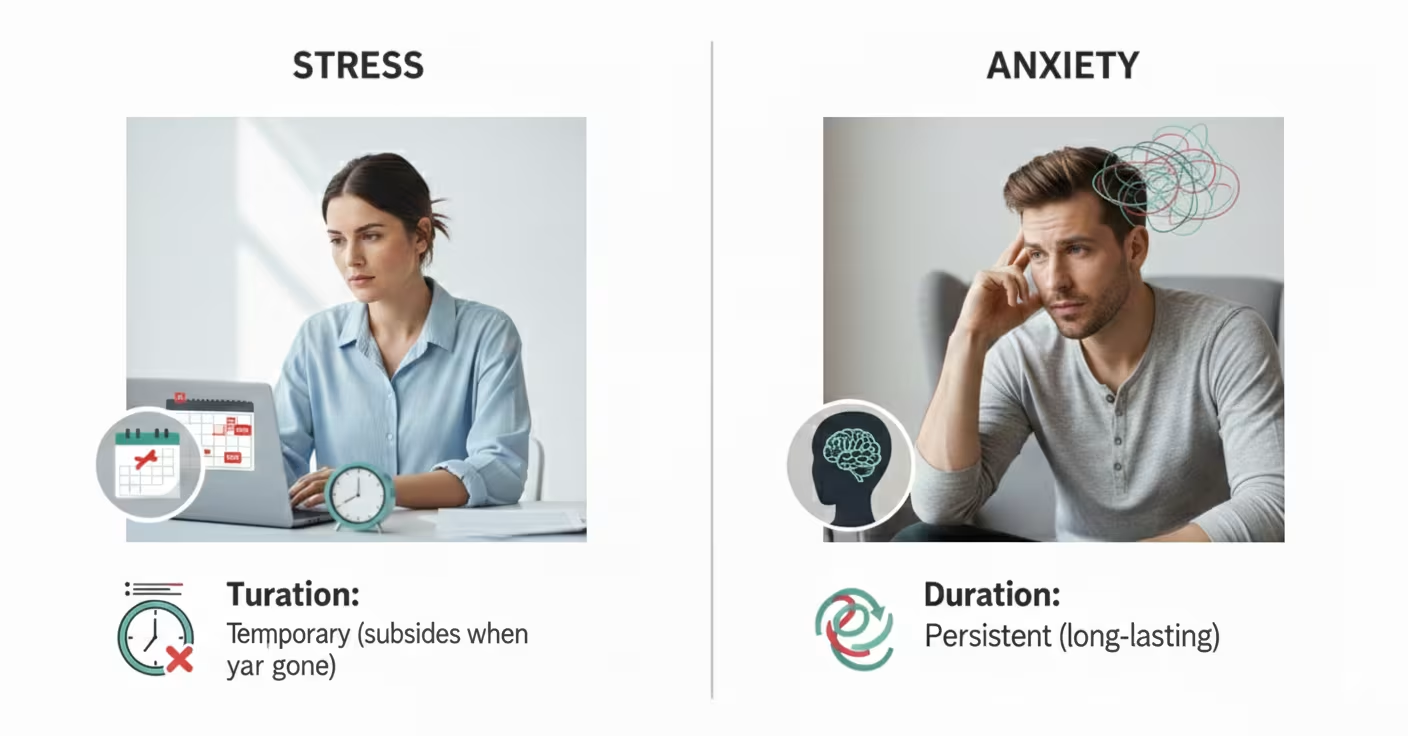
Proven Strategies for Sustainable Anxiety Management in Daily Life
Anxiety is a fundamental human experience, a built-in alarm system designed to alert us to potential threats. In the modern world, however, this system can become overactive, triggering persistent feelings of worry, fear, and unease that interfere with daily life. While nearly everyone experiences transient anxiety, a significant portion of the population contends with chronic symptoms that can feel overwhelming. The challenge lies not in eliminating anxiety entirely—an impossible and undesirable goal—but in learning to manage it effectively. Managing anxiety well is not about quick fixes. It means building a set of personal strategies that help you stay strong over time. This involves understanding the intricate relationship between mind and body, reshaping our thought patterns, and building a lifestyle that supports sustained calm.

Building Resilience: Your Essential Guide to Cultivating Inner Strength
Life is not a linear path. It is an unpredictable journey marked by peaks of joy, valleys of sorrow, and long stretches of challenging terrain. Every individual, regardless of their background or circumstances, will inevitably encounter adversity. From the minor daily stressors that test our patience to the profound life events that shake us to our core, these challenges are a fundamental part of the human experience. The critical question is not whether we will face hardship, but how we will respond when we do. This is where resilience—our innate capacity for inner strength—becomes the most vital asset we can possess.

Coping Mechanisms Unpacked: Your Definitive Guide to Stress Management & Emotional Health
Life is an intricate tapestry of triumphs and trials. While we celebrate the highs, it is our ability to navigate the lows that truly defines our resilience and shapes our emotional health. At the heart of the human experience lies the universal encounter with stress. From minor daily hassles to major life events, stressors are an unavoidable part of our existence, testing our limits and demanding a response. This response—the collection of thoughts and behaviors we use to manage these demands—is the essence of coping. Without effective Coping mechanisms, the cumulative weight of psychological stress can erode our mental health, strain our relationships, and diminish our overall quality of life.
.avif?alt=media&token=5c1f9982-6508-4663-9640-9c226268f13c)
The Comprehensive Guide to PTSD: Symptoms, Causes, and Effective Treatment Options
Here is the complete, comprehensive article written according to the provided instructions. Introduction: Navigating the Landscape of Post-Traumatic Stress Disorder Post-traumatic stress disorder (PTSD) is a condition born from exposure to overwhelming events that challenge our fundamental sense of safety. It is not a sign of weakness but a testament to a harrowing experience that has left a lasting imprint on the mind and body. The journey through PTSD is unique to each individual, shaped by the nature of their trauma, their personal history, and their available support systems. While the path can be fraught with challenges like flashbacks, anxiety, and avoidance, it is crucial to understand that recovery is not only possible but expected with the right approach. Effective treatments are available that empower individuals to process their trauma, manage their symptoms, and reclaim their lives.

Your Strategic Roadmap to Deep Emotional Healing: Releasing Past Pain for Good
The journey of life invariably includes moments of pain, loss, and hardship. While many experiences fade into the background, some leave deep imprints that continue to influence our thoughts, emotions, and behaviors long after the events have passed. This lingering pain can feel like an invisible weight, a constant hum of stress beneath the surface that compromises our emotional well-being and limits our potential for joy and connection. The desire to break free from this cycle is universal, yet the path to doing so often feels unclear, fraught with misinformation and temporary fixes that fail to address the root of the issue.

Your Roadmap to Trauma Recovery: Practical Steps for Lasting Healing
The experience of trauma can feel like being lost in an unfamiliar and hostile landscape without a map. It can shatter your sense of safety, disrupt your connections to others, and alter your fundamental understanding of yourself and the world. The path forward from such profound disruption is not about erasing the past but about integrating the experience in a way that allows for a new, resilient future to emerge. This journey, often referred to as trauma recovery, is a deeply personal recovery process of healing and rediscovering a sense of control and wholeness. It is a testament to human resilience, demonstrating the capacity to navigate from a place of distress toward one of lasting well-being.

Habit Stacking Made Simple: Your Comprehensive Guide to Building Any New Routine
What I learned about Habit Stacking? Habit stacking is a method for building new habits by linking them to existing ones. It leverages established routines as triggers for new behaviors, making it easier for the brain to adopt them. This technique, popularized by authors like S.J. Scott and James Clear, essentially creates a chain reaction of habits, where the completion of one automatically cues the next. Instead of relying on willpower or memory to start a new practice, you anchor it to something you already do consistently, such as drinking your morning coffee or brushing your teeth. The core idea is to seamlessly integrate small changes into the fabric of your daily life, building momentum and making behavior change feel less like a struggle and more like a natural evolution of your routine.

Neurochemistry Explained: Understanding the Brains Chemical Symphony
The human brain, an organ of astounding complexity, orchestrates every thought, feeling, and action through a silent, intricate performance. This performance is not conducted with sound, but with a cascade of chemical signals—a symphony of molecules that dictates the rhythm of our existence. Understanding this performance is the central goal of neurochemistry, a field that decodes the molecular language of the nervous system. By studying the brain's chemical messengers, their interactions, and the cellular machinery that governs them, we gain profound insights into the very nature of consciousness, behavior, and the myriad disorders that can disrupt this delicate balance. This exploration is not merely an academic exercise; it is a journey into the essence of what makes us human, revealing the chemical underpinnings of our joys, sorrows, and memories.
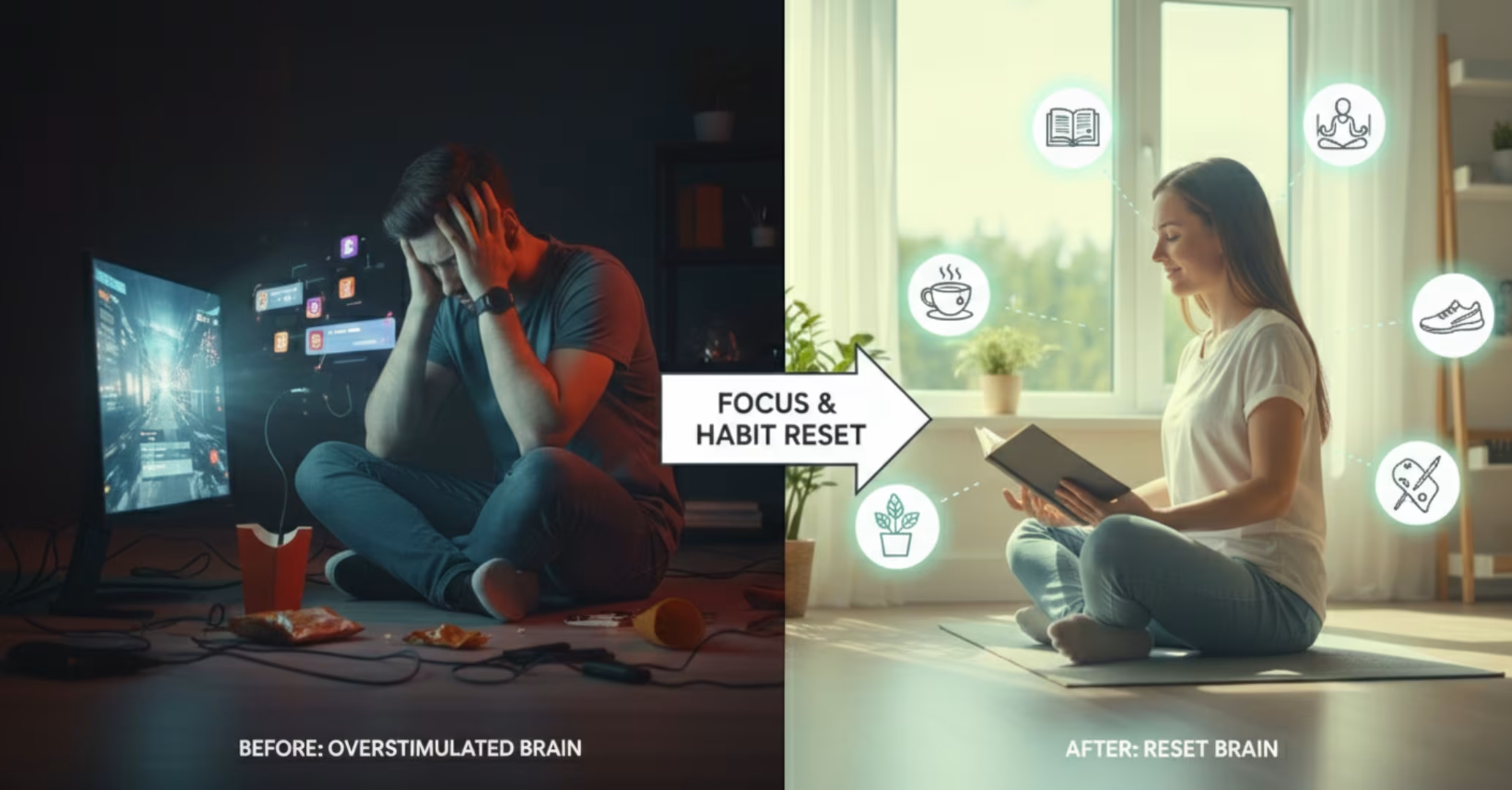
The Dopamine Detox: A Science-Backed Guide to Resetting Your Focus and Habits
In a world saturated with notifications, infinite scrolls, and on-demand entertainment, the ability to focus has become a rare and valuable commodity. We find ourselves in a constant state of low-grade distraction, our attention fragmented by a relentless stream of stimuli designed to capture and hold it. This digital deluge has led many to seek a radical solution: the, a concept that promises to reset our overstimulated brains, restore our focus, and help us break free from compulsive behaviors. The term itself is alluring, suggesting a simple cleanse for the mind, akin to a dietary detox for the body.
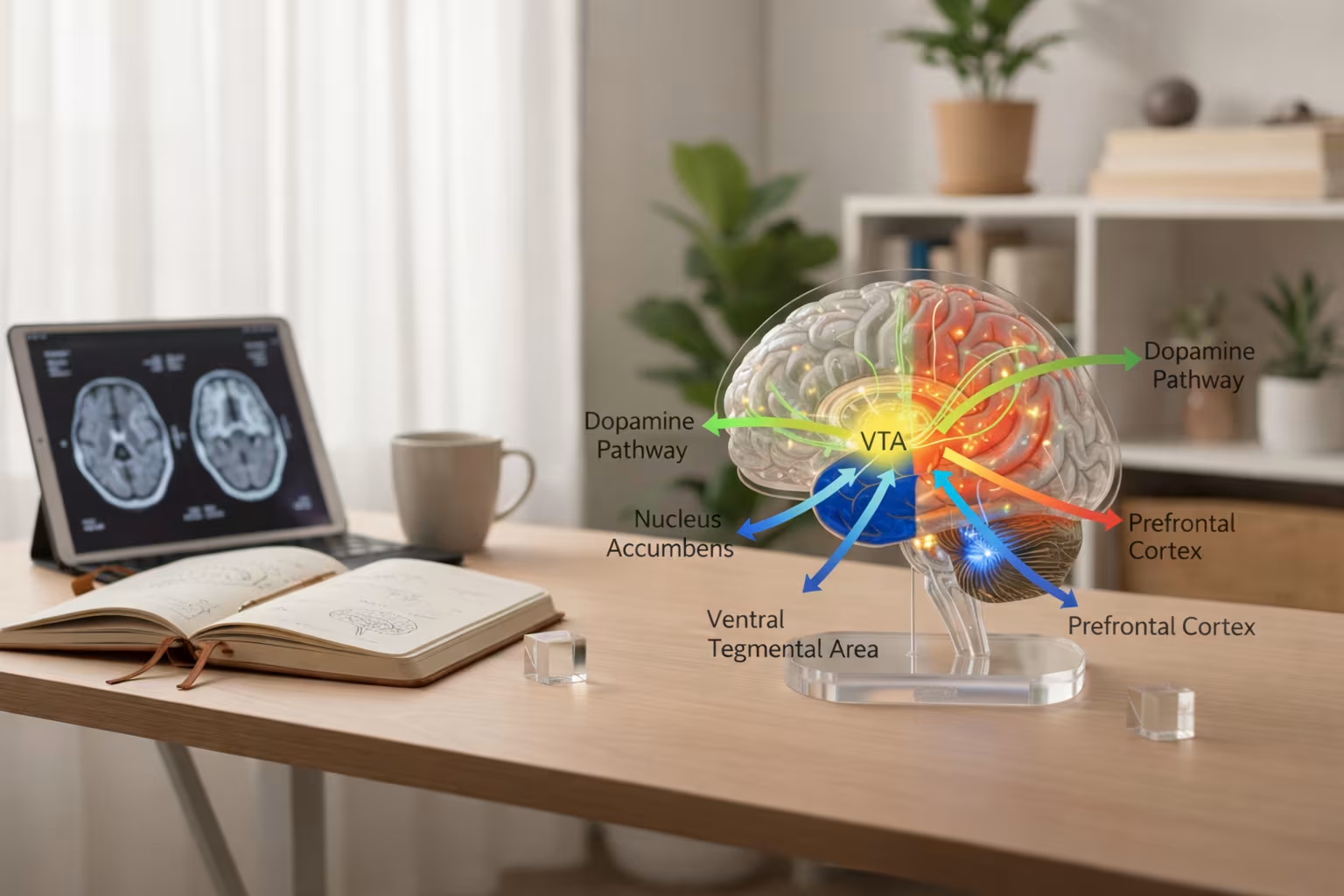
The Human Reward System: Your Brains Engine for Motivation, Pleasure, and Lasting Habits
Every decision you make, from choosing morning coffee to pursuing a career, is guided by a powerful force inside your brain. Your brain has a reward system that acts as an engine for motivation, pleasure, and lasting habits. This intricate network is the biological machinery that generates the drive for achievement, processes the joy of connection, and forges the routines that define your daily existence. It is the reason you seek out delicious food, cherish social bonds, and strive for personal growth. Understanding this engine is not just an academic exercise; it is the first step toward consciously steering your behavior, building better habits, and designing a more fulfilling life.
Neurodiversity: Unpacking Its Meaning and Why It Matters for Everyone
Neurodiversity: Unpacking Its Meaning and Why It Matters for Everyone. In a world increasingly focused on diversity and inclusion, one of the most fundamental yet often overlooked frontiers is the diversity of the human mind. The term "neurodiversity" has moved from academic and advocacy circles into mainstream conversations, appearing in workplace initiatives, school policies, and media. Yet, for many, it remains a buzzword—understood in principle but not in its profound implications. Neurodiversity is not just a new label for neurological conditions; it represents a paradigm-shifting way to understand human variation, identity, and potential.
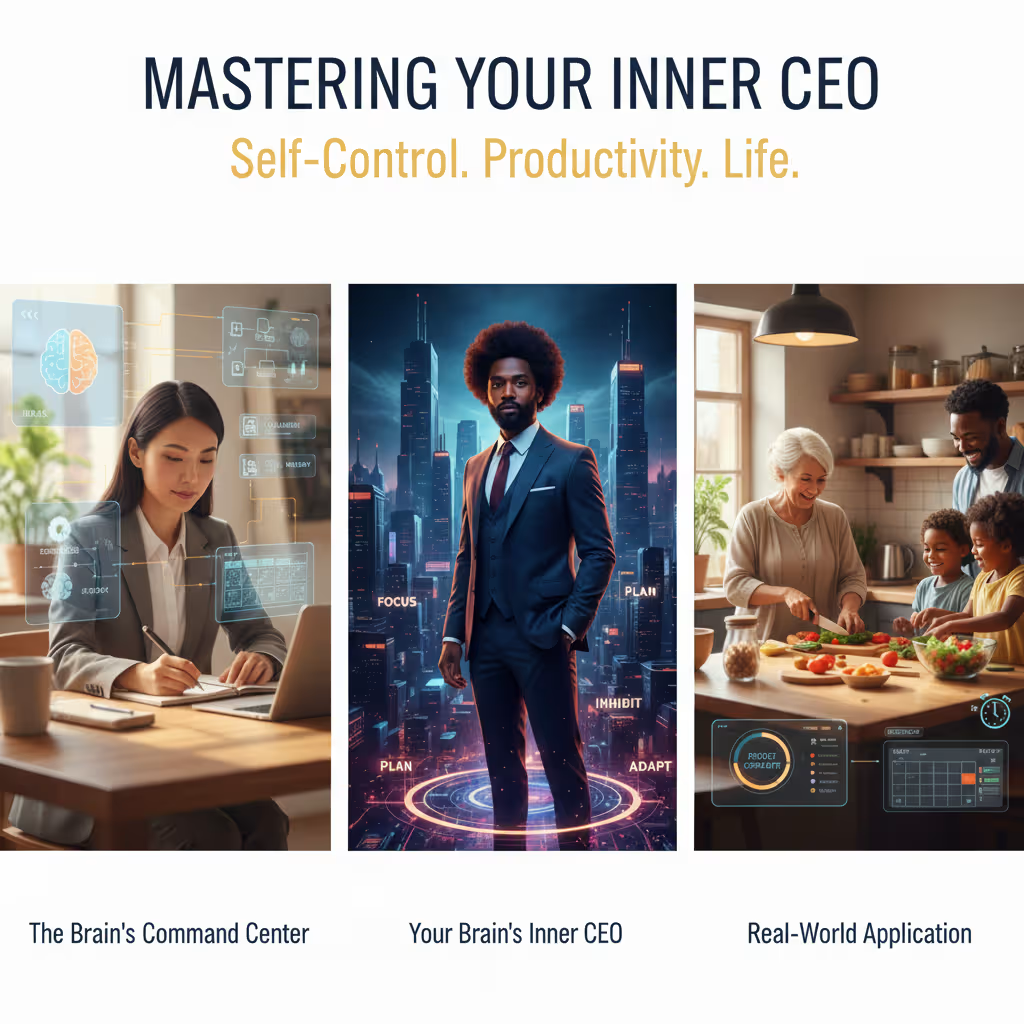
Executive Function Unpacked: Your Essential Guide to Improving Focus and Self-Control
Here is the complete article, written according to your specifications. Introduction: Unleashing Your Brain's Inner CEO Imagine the chief executive officer of a bustling corporation. This individual doesn't handle every small task, but they set the vision, create the strategic plan, allocate resources, and keep the entire team focused on the most important goals. They inhibit bad ideas, adapt when the market shifts, and regulate the company's culture. Now, imagine this entire complex management system exists inside your own head. This is your executive function — a suite of high-level cognitive skills that act as your brain's inner CEO, responsible for guiding your focus, managing your impulses, and orchestrating your actions to achieve future goals.
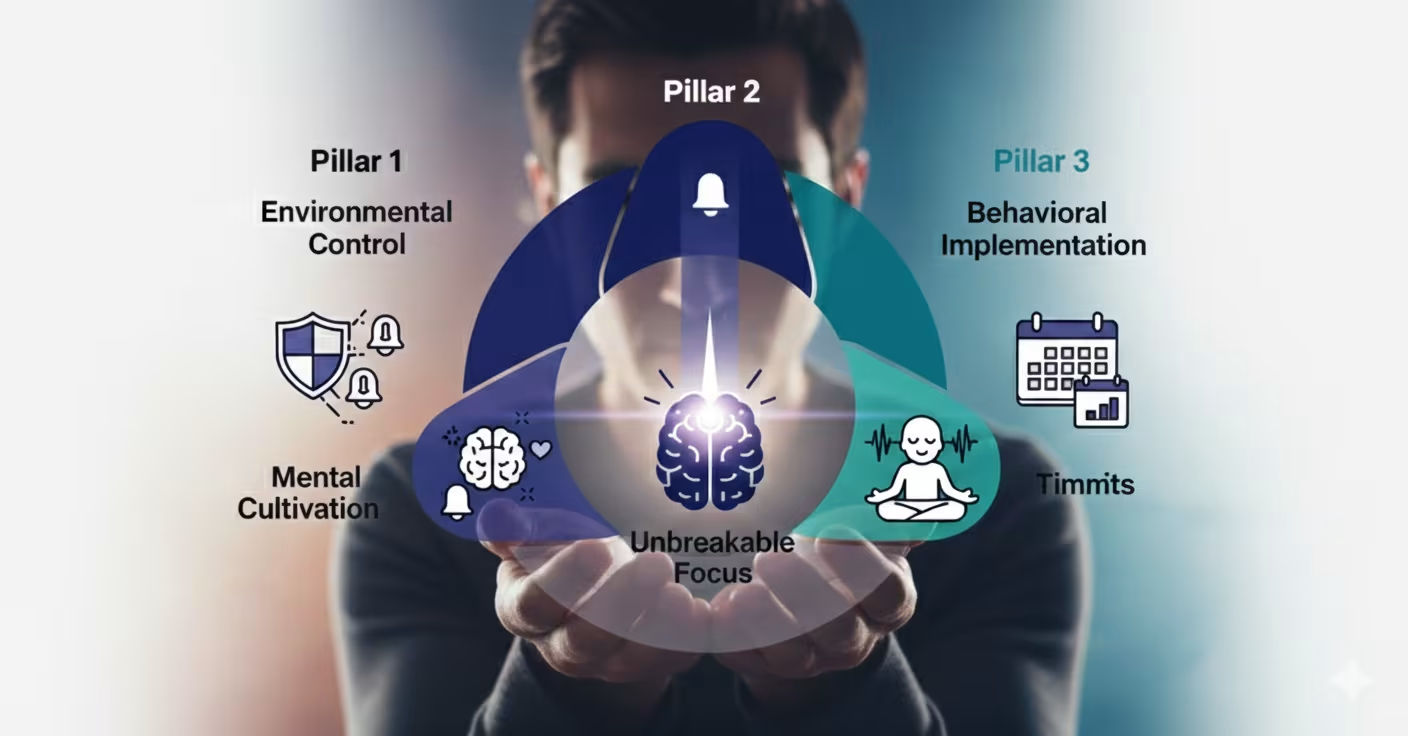
The Strategic Blueprint: Mastering Distraction Management for Unbreakable Focus
In an age defined by perpetual connectivity and an endless stream of information, the ability to concentrate has become a modern superpower. Yet, for many, this power feels increasingly out of reach. We are bombarded by notifications, pulled in a dozen directions by competing priorities, and often sabotaged by our own wandering minds. According to a study from the University of California, Irvine, the average office worker gets interrupted every 11 minutes and takes over 23 minutes to get back on track
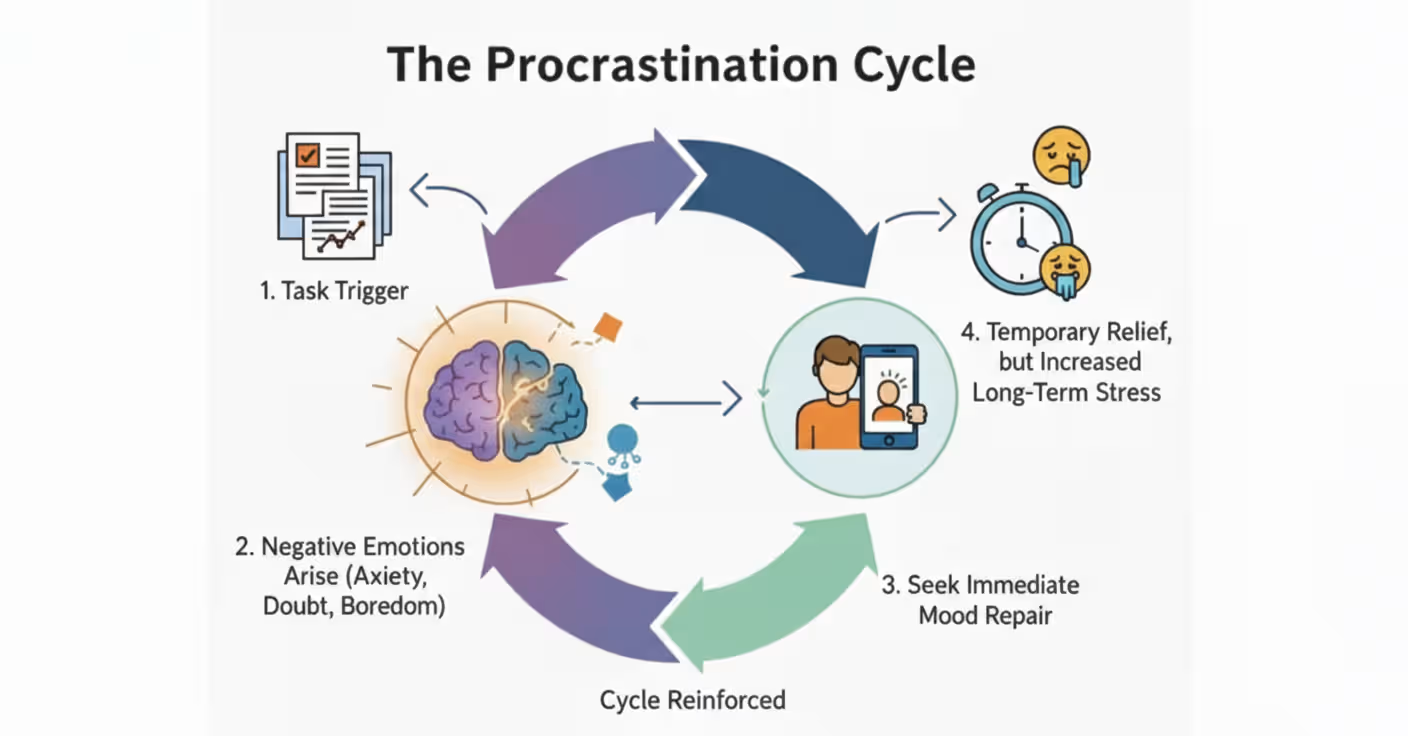
Overcoming procrastination
The journey toward overcoming Procrastination is not about finding a single magic bullet but about building a reliable system for consistent action. We've all been there: staring at a blank page, delaying a difficult conversation, or putting off a crucial project until the last possible moment. The resulting stress and anxiety are potent reminders of the gap between our intentions and our actions. This article moves beyond simplistic life hacks to offer a comprehensive blueprint—a structured, sustainable approach to dismantle the habits of delay and unlock your true productive potential. We will explore the "why" behind your procrastination, rewire your mindset, and equip you with a strategic toolkit to take control of your time and achieve your goals.
.avif?alt=media&token=ea0595b3-79aa-4e53-b3aa-d9bf81c639eb)
Motivation techniques
Motivation is the central force that dictates the trajectory of our professional and personal lives. It is the 'why' behind every action, the energy that transforms intention into accomplishment, and the resilience that carries us through adversity. Understanding how to harness this force is not merely beneficial; it is the cornerstone of lasting success. Techniques of motivation are the strategic methods and psychological tools we employ to initiate, direct, and sustain goal-oriented behavior. They are the practical application of psychological principles, designed to build momentum, overcome inertia, and maintain focus on our most important objectives.

Your Strategic Roadmap to Deep Emotional Healing: Releasing Past Pain for Good
The journey of life invariably includes moments of pain, loss, and hardship. While many experiences fade into the background, some leave deep imprints that continue to influence our thoughts, emotions, and behaviors long after the events have passed. This lingering pain can feel like an invisible weight, a constant hum of stress beneath the surface that compromises our emotional well-being and limits our potential for joy and connection. The desire to break free from this cycle is universal, yet the path to doing so often feels unclear, fraught with misinformation and temporary fixes that fail to address the root of the issue. Many approaches to wellness focus on managing symptoms—coping with anxiety, suppressing anger, or navigating depressive episodes. While these strategies have their place, they often fall short of true resolution. Deep emotional healing is a profound process that transcends symptom management. It involves courageously turning toward our pain to process, release, and integrate it, ultimately transforming our relationship with our past. This article provides a strategic roadmap to guide you through this journey, integrating evidence-based psychological principles with the transformative power of spiritual faith. Our goal is not just to help you feel better, but to empower you to heal deeply, release past pain for good, and experience a profound improvement in your overall quality of life—what some might even call a personality upgrade.
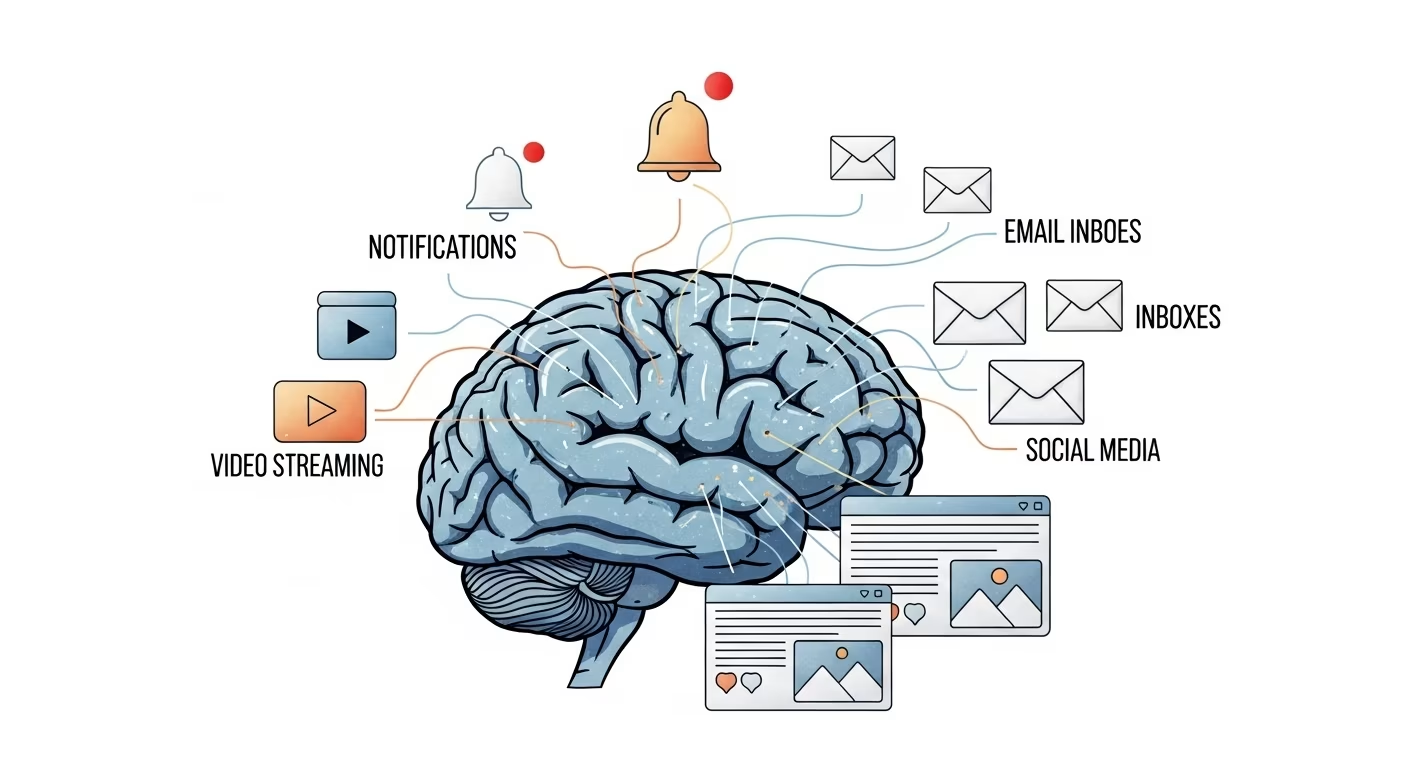
High-Impact Strategies to Sharpen Your Focus and Boost Productivity
In a world saturated with notifications, endless feeds, and the constant hum of digital connectivity, the ability to concentrate on a single task has become a modern superpower. We live in an era of unprecedented distraction, where our most valuable cognitive resource—our attention—is perpetually under siege. The persistent feeling of being busy but not productive, of ending the day with a completed to-do list but a sense of unfulfillment, is a common symptom of this fractured focus. The capacity for deep, sustained concentration isn't just a professional asset; it's the key to meaningful work, creative problem-solving, and a more present, intentional life. Reclaiming this capacity is not about finding a single "hack" but about building a holistic system that supports your brain's natural ability to perform at its peak.

ADHD Symptoms: The Complete Guide to Recognizing Signs in Children and Adults
Attention-Deficit/Hyperactivity Disorder (ADHD) is a condition often associated with childhood, yet its symptoms persist and evolve across the entire lifespan, affecting millions of adults. The journey of understanding ADHD is frequently marked by questions and self-reflection. An adult, recently diagnosed, might wonder, "Why have my ADHD symptoms gotten worse since I was diagnosed? Or am I just noticing my symptoms more?" This heightened awareness can bring a wave of frustration: "I'm getting mad at myself so much right now because I feel like I've become more disorganized." This experience underscores a critical need for clear, comprehensive information about what the symptoms of ADHD truly look like in different people and at different stages of life.

Overcoming Procrastination: Your Complete Blueprint for Sustainable Action
The journey toward overcoming Procrastination is not about finding a single magic bullet but about building a reliable system for consistent action. We've all been there: staring at a blank page, delaying a difficult conversation, or putting off a crucial project until the last possible moment. The resulting stress and anxiety are potent reminders of the gap between our intentions and our actions. This article moves beyond simplistic life hacks to offer a comprehensive blueprint—a structured, sustainable approach to dismantle the habits of delay and unlock your true productive potential. We will explore the "why" behind your procrastination, rewire your mindset, and equip you with a strategic toolkit to take control of your time and achieve your goals.
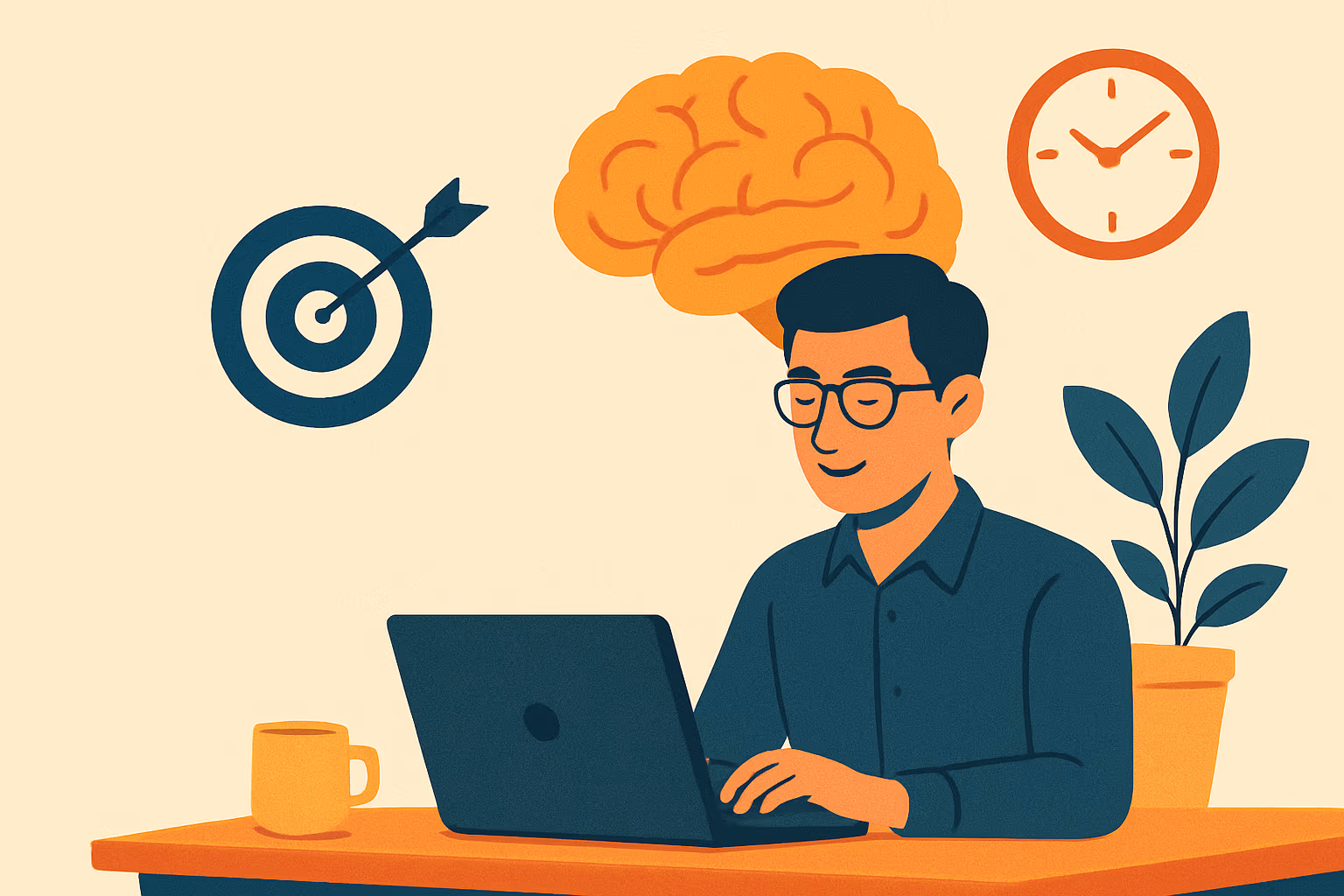
Master Deep Work: Practical Strategies for Unstoppable Focus & Productivity
Unlock unstoppable focus and boost productivity with practical deep work strategies. Learn to overcome distractions, manage your time effectively, and achieve peak performance. This guide provides actionable techniques to transform your professional life, master complex skills, and achieve breakthrough results. Reclaim your attention and master the art of deep work for enhanced productivity and a more fulfilling career.

Can You Meditate Before Bed? Unlock Deeper Sleep and Evening Calm.
Discover how pre-sleep meditation can transform your sleep. Learn science-backed techniques to quiet racing thoughts, reduce stress, and promote deeper, more restorative rest. Improve your sleep quality tonight!
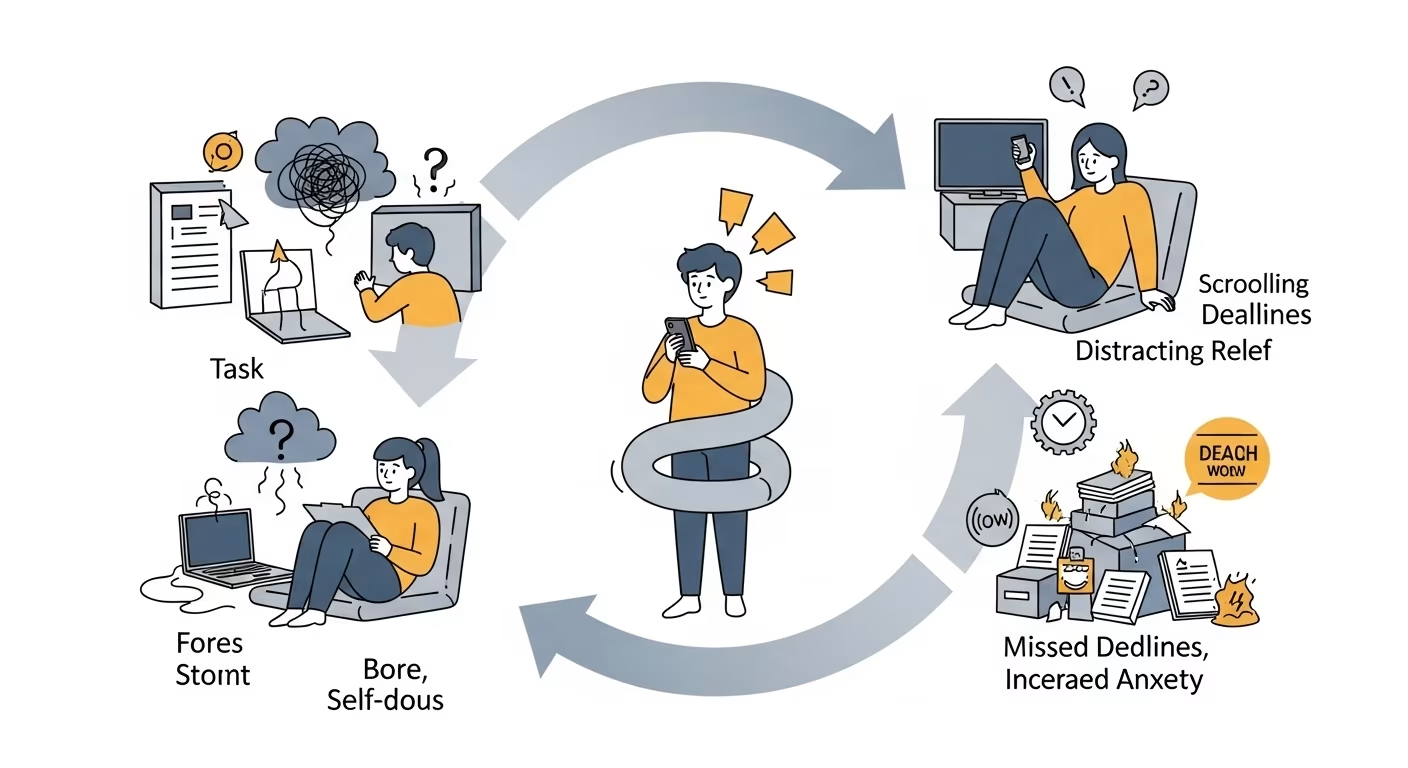
Stop the Cycle: Unmasking the Psychology of Procrastination & 7 Proven Strategies to Act
No summary available.
Cant Sleep? Try These Simple Sleep Meditation Techniques to Relax
No summary available.

The Science of 'Flow State': Unlocking Your Brain's Ultimate Potential
No summary available.

The Rhythm of Light: Can Flickering Light Therapy Sharpen Our Minds and Protect Our Brains?
No summary available.
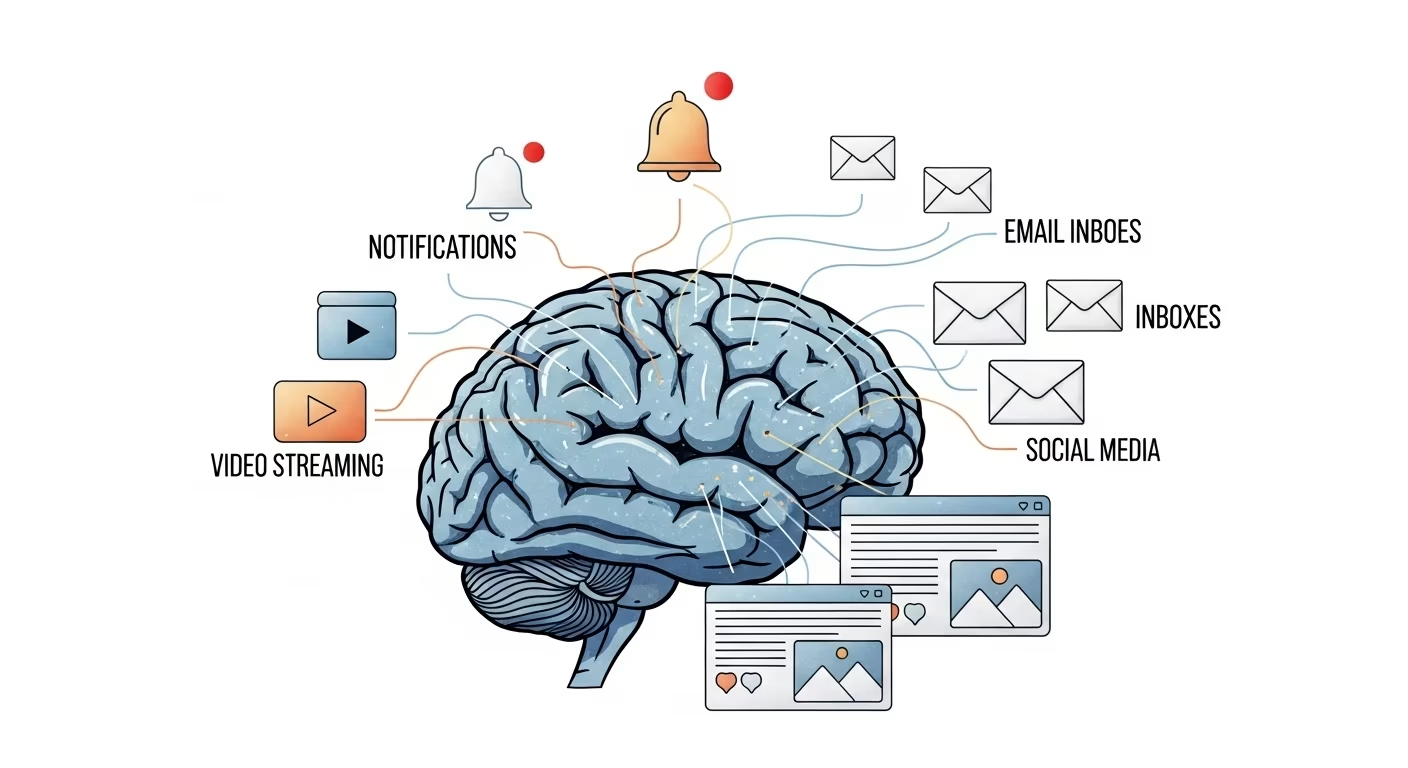
High-Impact Strategies to Sharpen Your Focus and Boost Productivity
Learn science-backed strategies across 4 key domains—internal foundation, environment, workflow, and mind training—to enhance focus, overcome distractions, and unlock peak productivity.

"From Meditative Ropes to Neural Breakthrough: The Vision Behind Lempa.app"
No summary available.