In a world saturated with notifications, infinite scrolls, and on-demand entertainment, the ability to focus has become a rare and valuable commodity. We find ourselves in a constant state of low-grade distraction, our attention fragmented by a relentless stream of stimuli designed to capture and hold it. This digital deluge has led many to seek a radical solution: the Dopamine Detox, a concept that promises to reset our overstimulated brains, restore our focus, and help us break free from compulsive behaviors. The term itself is alluring, suggesting a simple cleanse for the mind, akin to a dietary detox for the body.
But what is a dopamine detox, really? Is it a scientifically sound method for improving mental clarity, or is it another wellness trend built on a misunderstanding of neuroscience? This guide cuts through the hype to provide a science-backed framework for what we'll call a "Focus & Habit Reset"—a practical approach to reclaiming your attention, reshaping your habits, and enhancing your overall mental health in the digital age.
What are the benefits of doing a dopamine detox?
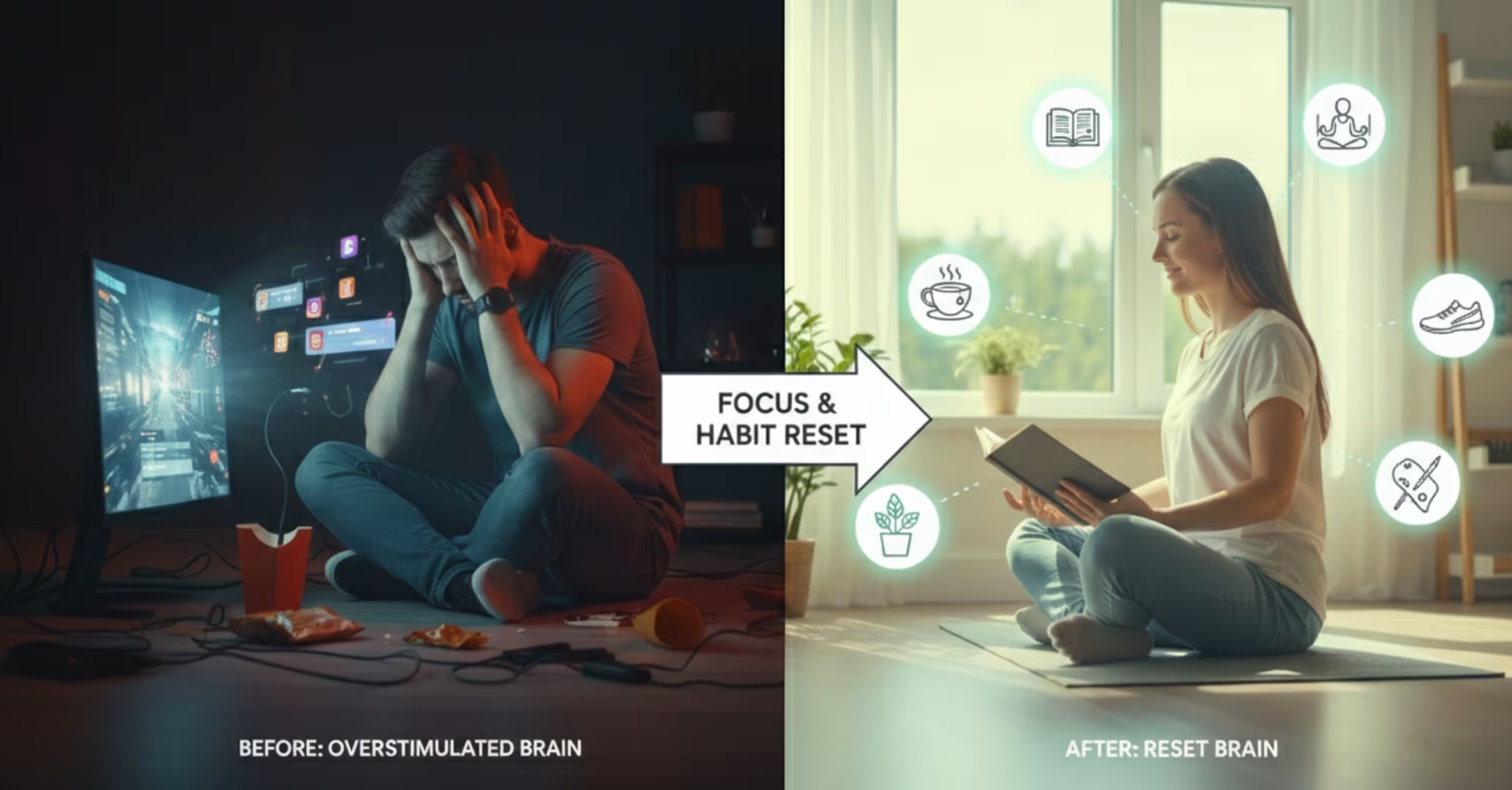
 A 'Focus & Habit Reset' helps shift the brain from a state of constant digital overstimulation to one of calm, restored focus, and appreciation for simpler activities.
The allure of Dopamine Detoxes lies in the transformative benefits they promise. Proponents and those who have tried a period of reduced stimulation often report a powerful sense of mental renewal. The primary benefit sought is a restoration of focus; by stepping away from the constant barrage of digital pings and notifications, individuals hope to regain the ability for deep, sustained concentration on complex tasks. This is about quieting the external noise to hear your own thoughts more clearly.
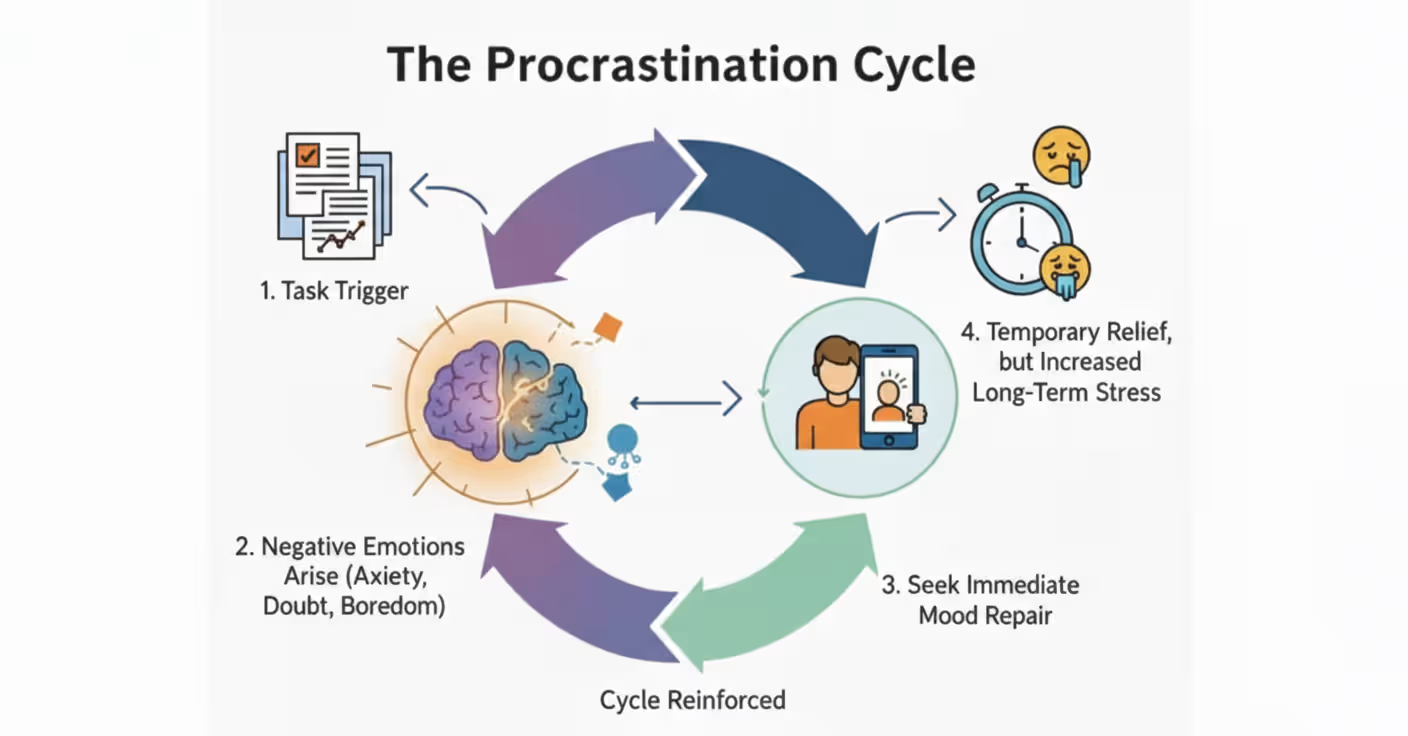
Another key promised benefit is the breaking of compulsive habits. Many feel trapped in a cycle of mindlessly checking social media, getting lost in video games, or engaging in impulsive online shopping. A detox period is seen as a pattern interrupt—a circuit breaker that provides the mental space to observe these compulsions and begin to untangle them. This can lead to a profound increase in intentionality, where actions are driven by conscious choice rather than automated impulse.
Finally, advocates claim a "reset" of the brain's reward system leads to a renewed appreciation for simpler pleasures. When the brain isn't constantly saturated with high-intensity stimuli, a walk in nature, a good book, or a meaningful conversation can feel more deeply satisfying. This translates to improved mood, reduced anxiety, and a greater sense of presence and fulfillment in everyday life.
Introduction: Navigating the Noise – Resetting Your Brain in an Overstimulated World
Our modern environment is an unprecedented experiment in cognitive load. From the moment we wake to the moment we sleep, we are bombarded with information, alerts, and entertainment options. This constant stimulation, primarily delivered through digital devices, has created a culture of distraction that fundamentally alters our relationship with focus, motivation, and even boredom. The promise of a dopamine detox taps into a collective yearning for silence, clarity, and control over our own minds.
The Modern Epidemic of Distraction: Why Focus Feels So Elusive
The feeling of being perpetually distracted is not a personal failure; it's a predictable response to an environment engineered for it. Platforms from social media to streaming services and video games are meticulously designed to trigger the brain's reward system, delivering small, unpredictable bursts of pleasure that keep us coming back for more. This cycle, as described by experts at institutions like Columbia University Medical Center, creates a high baseline of stimulation.
This constant digital engagement raises our brain's 'engagement threshold,' making quiet, focused activities feel less appealing and more difficult to start. The unpredictable dopamine rewards from apps train our brains to seek constant stimulation, making it harder to engage in deep, focused activities that offer delayed gratification, like reading a book or learning a new skill.
What This Guide Offers: Cutting Through the Hype with Science-Backed Strategies for Focus and Habit Reset
This guide moves beyond the sensationalized and often inaccurate term "dopamine detox." Instead, it provides a scientifically grounded framework for what we will call a "Focus & Habit Reset." We will not advocate for an impossible and undesirable fast from a critical neurotransmitter. Rather, we will explore the real mechanisms at play: behavioral therapy, leveraging neuroplasticity, and mindfully reducing overstimulation. By understanding the science of how dopamine influences motivation and habit formation, you can develop targeted strategies to regain control over your attention. This article will equip you with the knowledge to identify your personal triggers, implement practical changes based on principles of cognitive behavioral therapy, and build sustainable habits that foster deep focus and long-term well-being.
Decoding Dopamine: The Neurotransmitter Behind Motivation, Not Just Pleasure
To understand the concept of a dopamine detox, one must first understand dopamine itself. This crucial chemical messenger, or neurotransmitter, has been widely misrepresented in popular culture as the "pleasure molecule." While it is certainly involved in the experience of pleasure, its primary function is far more complex and fundamental to our survival and behavior. Dopamine is the engine of motivation, the director of our attention, and the architect of our habits. It is not something the brain can, or should, be "detoxed" from.
Dopamine's True Role: Beyond the "Pleasure Molecule" Myth
Dopamine's central role is to drive us to seek out rewards and repeat behaviors necessary for survival. It is released in anticipation of a potential reward, not just upon its receipt. This makes it the neurotransmitter of wanting, craving, and seeking. When you feel a surge of motivation to check your phone or work towards a goal, that is dopamine at work. It signals that something important might happen, focusing your attention and energizing you to take action. As Harvard Health Publishing clarifies, the pleasure we experience is a related but separate process, often involving other neurotransmitters. Mislabeling dopamine solely as a pleasure chemical oversimplifies its function and leads to the misconception that we should try to reduce it.
The Brain's Reward Pathway: How Dopamine Drives Learning and Behavior
Dopamine operates within a sophisticated network in the brain known as the reward pathway. When you engage in a rewarding activity, dopaminergic neurons originating in a midbrain area called the substantia nigra and the ventral tegmental area (VTA) release dopamine into other brain regions, most notably the nucleus accumbens. This surge of dopamine essentially tells your brain: "Pay attention. This was a good thing. Let's remember how we did it and do it again." This process powerfully reinforces the neural circuits associated with that behavior, making you more likely to repeat it in the future. It is a fundamental learning mechanism that shapes our habits, from daily routines to complex skills.
Reward Prediction Error: The Science of Anticipation and Habit Formation
A key concept in understanding dopamine's power is "reward prediction error." The brain doesn't just respond to rewards; it responds to the surprise of a reward. As research published on platforms like Google Scholar details, this mechanism works in three ways:
- Positive Prediction Error: If a reward is better than expected, there is a large spike in dopamine, strongly reinforcing the behavior.
- No Prediction Error: If the reward is exactly as expected, the dopamine response is minimal.
- Negative Prediction Error: If an expected reward doesn't materialize, dopamine levels drop below baseline, discouraging the behavior.
This explains why unpredictable rewards—the variable notifications on social media, the random wins on a slot machine, or the loot drops in video games—are so compelling and can lead to compulsive habit formation. The brain is constantly chasing the high of a positive prediction error.
The Dynamic Dopaminergic System: Receptors, Neurons, and Their Impact on Our World
The dopaminergic system is a dynamic network. Chronic overstimulation from high-reward activities can lead to downregulation, where the brain reduces the number of dopamine receptors to maintain balance. This means more stimulus is needed to get the same effect—a hallmark of tolerance seen in both substance abuse and behavioral addiction. This can also make natural rewards feel less appealing. Understanding this dynamic interplay is critical to grasping why a period of reduced stimulation can help recalibrate the system, not by eliminating dopamine, but by allowing receptor sensitivity to return to a healthier baseline.
The "Dopamine Detox" Trend: Understanding the Phenomenon and Its Misconceptions
The idea of a "dopamine detox" or "dopamine fasting" has exploded in popularity, resonating with a digitally fatigued populace desperate for a mental reset. It proposes a period of abstaining from highly stimulating activities to "lower" dopamine levels and regain sensitivity to everyday pleasures. While the underlying goal is valid, the term and its popular interpretation are fraught with scientific inaccuracies that obscure the real mechanisms of change.
From Silicon Valley to Social Media: The Origins and Popularity of the Detox Idea
The concept gained significant traction in Silicon Valley, an environment known for its relentless pursuit of productivity and optimization. As reported by outlets like The New York Times, tech workers began experimenting with periods of sensory reduction to "reboot" their brains. The idea quickly spread through social media platforms, where TikTok influencers and bloggers simplified it into a radical "dopamine fast." They framed it as a cure-all for distraction and a lack of motivation, creating a simple narrative: our brains are "addicted" to dopamine, and we need to detox. This appealing story, however, fundamentally misunderstands both dopamine and addiction.
Dr. Cameron Sepah and the Behavioral Roots of the "Dopamine Fast"
To understand the concept accurately, one must go to its source: Dr. Cameron Sepah, a California psychiatrist. Dr. Sepah coined the term "dopamine fasting" not as a literal fast from a neurotransmitter, but as a technique rooted in cognitive behavioral therapy (CBT). His intention was to provide a framework for managing impulsive behaviors like excessive internet use or emotional eating. The goal was never to reduce dopamine itself but to reduce engagement with problematic, high-stimulation behaviors. By scheduling periods of abstinence from these triggers, individuals could learn to regain control, a process known in behavioral therapy as "stimulus control."
Common Misinterpretations: Why You Can't Literally "Fast" from a Neurotransmitter
The most significant misconception is the idea that you can—or should—lower your brain's baseline dopamine levels. Dopamine is an essential neurotransmitter critical for fundamental functions like motor control, motivation, and mood. Severely low dopamine is associated with serious neurological disorders like Parkinson's disease, which requires medical interventions like L-DOPA Therapy to manage. You cannot simply "fast" from it. Engaging in meditation doesn't stop dopamine production; it shifts the dopaminergic system's activity away from externally driven reward-seeking. The popular interpretation misses this crucial distinction.
The Problem with Overstimulation: How Constant Dopamine Rewards Hijack Our Focus
The real issue the "dopamine detox" trend attempts to address is not dopamine, but chronic overstimulation. Modern technology provides an endless supply of high-reward stimuli that activate the reward pathway with unprecedented frequency. This constant activation can desensitize the system by downregulating dopamine receptors, making natural rewards feel less motivating. This creates a state where we feel a constant pull towards our devices and a diminished capacity to focus on tasks that offer delayed gratification. It's not an addiction to dopamine, but a behavioral addiction to the sources of its release.
Separating Science from Speculation: What a True "Focus & Habit Reset" Entails
Moving beyond the misleading "dopamine detox" label, we can reframe the practice as a strategic "Focus & Habit Reset." This approach is not about eliminating a vital neurotransmitter but about consciously managing behavior to leverage the brain's natural capacity for adaptation, known as neuroplasticity. It is a method for recalibrating your reward system, breaking unhealthy habits, and restoring your ability to direct your attention intentionally.
Why a Literal Dopamine Fast is Impossible and Undesirable
As established, a literal dopamine fast is a biological impossibility. The brain requires a steady baseline of dopamine to regulate motor control and motivation. Attempting to eliminate all sources of pleasure is counterproductive and can lead to increased anxiety, apathy, and symptoms associated with depression. Severely depleted dopamine levels are a feature of conditions like Parkinson's disease, highlighting the danger of this misinterpretation. The goal is not to live in a world devoid of joy but to regain the ability to find satisfaction in a more balanced range of activities.
The Real Mechanism: Behavioral Control and Strategic Reduction of High-Dopamine Activities
The true mechanism of a Focus & Habit Reset is behavioral, not chemical. It is a conscious, temporary reduction of engagement with specific, highly stimulating behaviors. This is not about fasting from dopamine, but about giving the brain's reward circuitry a break from the constant barrage of artificial, high-intensity rewards. By stepping away from activities like compulsive scrolling or binge-watching, you reduce the triggers that prompt intense dopamine release. This period of lower stimulation allows the reward system to gradually reset its sensitivity as the brain begins to upregulate its dopamine receptors, making natural rewards feel more motivating again.
Neuroplasticity and Habit Formation: How Our Brains Adapt and Can Be Reshaped
The brain is constantly changing based on our experiences. This is neuroplasticity. Every time we repeat a behavior, we strengthen its associated neural pathway. Compulsive habits, like reaching for your phone at the first sign of boredom, are deeply ingrained neural circuits reinforced by thousands of small dopamine hits. A Focus & Habit Reset works by intentionally weakening these overused pathways. By choosing to engage in a low-stimulation activity instead, you begin to carve out a new neural route. With consistent practice, this new behavior becomes more automatic, effectively reshaping the brain's default responses.
Understanding Dopamine Dysregulation: When the Reward System Goes Awry
Dopamine dysregulation occurs when the reward system's balance is disrupted, often by chronic overstimulation from sources like recreational drugs or compulsive behaviors. This can manifest as a diminished response to natural rewards, increased impulsivity, and persistent craving. In severe cases, it can be linked to conditions like Reward Deficiency Syndrome. A milder form can affect anyone who regularly engages in high-dopamine activities. A Focus & Habit Reset acts as a tool to counteract this mild dysregulation. By managing your inputs, you help restore equilibrium, leading to more stable moods and a healthier relationship with pleasure and motivation. Some individuals may experience mild dopamine withdrawal symptoms, like irritability or restlessness, when they first abstain.
The Science-Backed Benefits of a Strategic Focus & Habit Reset
When reframed as a behavioral strategy rather than a literal detox, the practice of temporarily reducing overstimulation offers tangible, scientifically supported benefits for mental health and cognitive function. This is not about chasing a fad; it's about applying principles from neuroscience and behavioral therapy to improve your well-being. By giving your brain a respite from the constant influx of high-intensity rewards, you can foster a more balanced and resilient mental state.
Enhancing Sustained Focus and Attention Span
One of the most immediate benefits is the restoration of focus. In a state of chronic overstimulation, the brain is trained to seek novelty constantly, making it difficult to maintain attention on a single task. A period of reduced stimulation helps lower this threshold for engagement. As your brain readapts, your ability to concentrate for extended periods improves. Tasks that once seemed boring become more manageable. This renewed capacity for "deep work" is crucial for learning, problem-solving, and achieving meaningful goals.
Reshaping Maladaptive Habits and Breaking Free from Compulsions
A strategic reset provides a critical opportunity to interrupt compulsive behaviors. By removing the trigger (e.g., the smartphone), you create a space to become aware of the underlying feelings—boredom, anxiety, loneliness—that drive the habit. This mindfulness is the first step in change. This process, central to cognitive behavioral therapy, weakens old, maladaptive neural pathways and builds new, intentional ones. For those struggling with severe compulsions or behavioral addiction, this self-managed process can be a starting point, though professional guidance from services like Sandstone Care may be necessary.
Boosting Intrinsic Motivation and Cultivating Emotional Resilience
When the brain is no longer reliant on external, high-intensity stimuli for reward, intrinsic motivation—the drive to do things for their own sake—can flourish. You may rediscover the joy of a hobby or the satisfaction of completing a challenging task. Furthermore, by learning to tolerate boredom without immediately seeking a distraction, you build emotional resilience. You train your brain to understand that negative feelings are temporary and manageable, increasing your capacity to handle life's challenges.
Improving Mental Well-being: Reducing Stress and Fostering Clarity
The constant connectivity of modern life contributes significantly to stress. A Focus & Habit Reset acts as a mental decluttering, reducing the cognitive load from endless notifications. This mental quiet allows for greater self-reflection and clarity. Many people report a significant reduction in anxiety and an improved sense of calm. This mental space is essential for creative thinking and connecting with your own thoughts without external interference, which is a core pillar of good mental health.
The Broader Impact: Better Sleep, Mood Regulation, and Overall Brain Health
The benefits extend beyond immediate focus. Excessive screen time, particularly in the evening, is known to disrupt sleep. Reducing this exposure is a key component of good sleep hygiene and can lead to improved sleep quality, which is vital for brain health. By stabilizing the reward system's response, a behavioral reset can also contribute to more stable moods, reducing the highs and lows associated with a constant cycle of craving and reward. This fosters a more balanced neurochemical environment, supporting long-term mental and cognitive vitality.
Your Practical, Science-Backed Guide to a Focus & Habit Reset
Implementing a Focus & Habit Reset is not about extreme deprivation but about intentional, structured change. This is a flexible framework based on principles of behavioral therapy that you can adapt to your specific needs. The process involves identifying problematic behaviors, creating a plan for temporary reduction, and replacing them with healthier alternatives.
Phase 1: Identifying Your High-Dopamine Triggers and Understanding Their Impact
The first step is self-assessment. You cannot change a behavior you don’t fully understand. Take a few days to mindfully observe your habits.
- Track Your Behavior: Keep a log of when and why you reach for your primary sources of high stimulation. Is it when you're bored, stressed, or procrastinating?
- Identify Problematic Activities: Which behaviors leave you feeling drained or unfulfilled? Common culprits include endless scrolling on social media, binge-watching series, excessive video games, compulsive online shopping, or frequent consumption of junk food. Be specific. It’s not "the internet," but perhaps "Instagram Reels for 90 minutes before bed."
- Assess the "Cost": For each identified behavior, consider its true cost. How much time does it consume? How does it affect your mood, your productivity, and your relationships? This step builds the motivation needed for change.
- Define Your Rules: Based on your assessment, decide which specific activities you will abstain from and for how long. Start with a manageable period, like one day or a weekend. The goal is not perfection but practice.
How can someone maintain dopamine balance after completing a detox?
Completing a temporary Focus & Habit Reset is a significant achievement, but the real challenge is integrating these changes into a sustainable lifestyle. The objective is not to live in a permanent state of detox but to maintain a healthy, balanced relationship with technology and other sources of stimulation. This involves moving from a short-term intervention to a long-term practice of intentionality.
The key is to avoid an "all-or-nothing" mindset. After the reset period, reintroduce activities mindfully and with clear boundaries. Instead of falling back into old patterns, schedule specific times for engaging with social media or video games. For example, allow yourself 30 minutes of social media after work, rather than checking it intermittently throughout the day. This shifts the behavior from a compulsive habit to a planned, intentional activity.
Continue to cultivate the low-stimulation activities you discovered during your reset. Make regular time for reading, walking in nature, hobbies, or mindfulness. These activities help maintain the recalibrated sensitivity of your reward system. Finally, practice good sleep hygiene, as quality sleep is essential for regulating the dopaminergic system and overall mental health. By building a life rich with a variety of rewards—both digital and analog, high-intensity and subtle—you create a resilient system that is less susceptible to the hijinks of any single source of stimulation.
Conclusion
The "dopamine detox" trend, despite its misleading name, taps into a legitimate need to reclaim our focus in an overstimulated world. While a literal detox from the neurotransmitter dopamine is impossible, the underlying principle of taking a deliberate break from hyper-stimulating behaviors is a powerful, science-backed strategy. The real mechanism at play is not chemical depletion but behavioral therapy, leveraging neuroplasticity to weaken compulsive habits and recalibrate our reward system.
By reframing this practice as a "Focus & Habit Reset," we shift the goal from deprivation to intentional self-regulation. The benefits are profound: an enhanced ability to focus, greater control over impulses, renewed appreciation for everyday joys, and improved overall mental health. This is not a quick fix but a starting point—a tool to help you understand your own mind and build a more intentional, focused, and fulfilling life in the digital age. By applying principles from cognitive behavioral therapy, you can move beyond the hype and create lasting change.