This post is empty.
The Science of 'Flow State': Unlocking Your Brain's Ultimate Potential
No summary available.
Related Posts
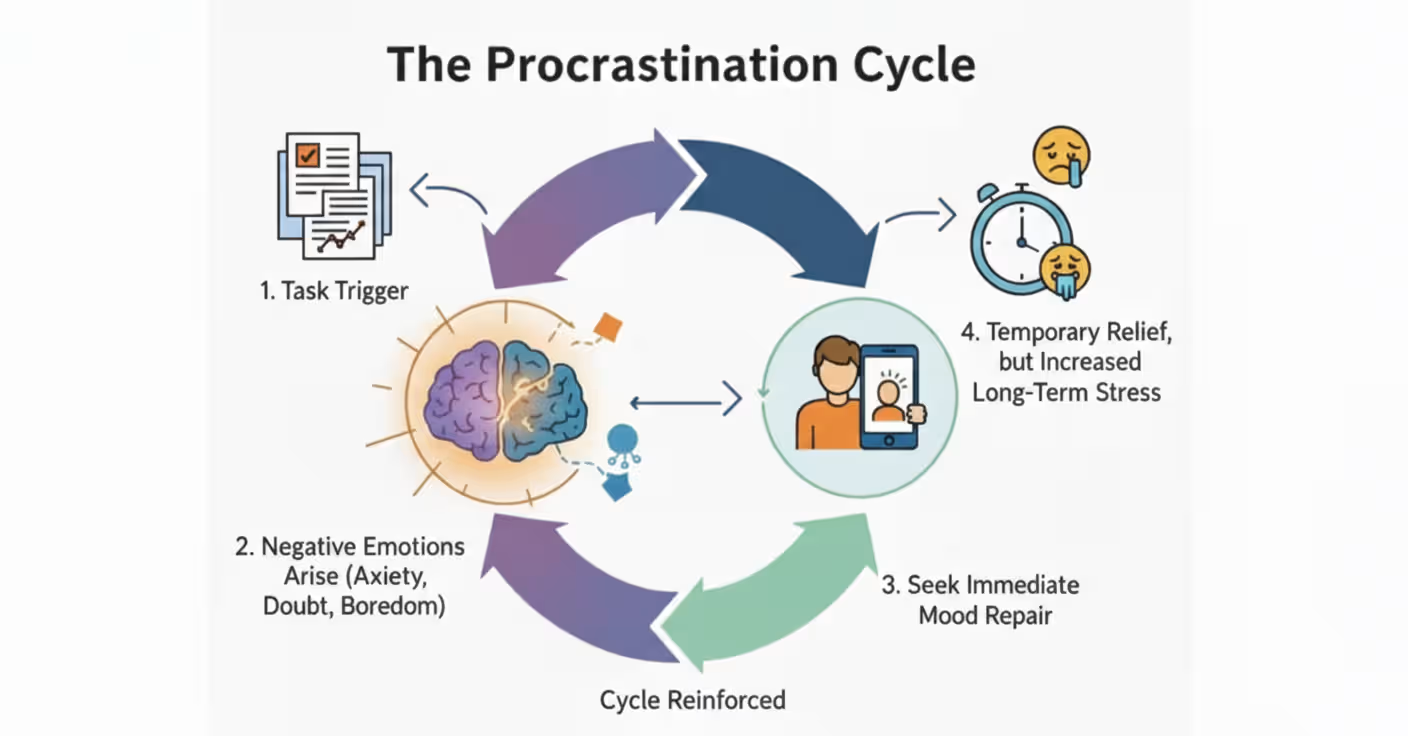
Overcoming procrastination
The journey toward overcoming Procrastination is not about finding a single magic bullet but about building a reliable system for consistent action. We've all been there: staring at a blank page, delaying a difficult conversation, or putting off a crucial project until the last possible moment. The resulting stress and anxiety are potent reminders of the gap between our intentions and our actions. This article moves beyond simplistic life hacks to offer a comprehensive blueprint—a structured, sustainable approach to dismantle the habits of delay and unlock your true productive potential. We will explore the "why" behind your procrastination, rewire your mindset, and equip you with a strategic toolkit to take control of your time and achieve your goals.

ADHD Symptoms: The Complete Guide to Recognizing Signs in Children and Adults
Attention-Deficit/Hyperactivity Disorder (ADHD) is a condition often associated with childhood, yet its symptoms persist and evolve across the entire lifespan, affecting millions of adults. The journey of understanding ADHD is frequently marked by questions and self-reflection. An adult, recently diagnosed, might wonder, "Why have my ADHD symptoms gotten worse since I was diagnosed? Or am I just noticing my symptoms more?" This heightened awareness can bring a wave of frustration: "I'm getting mad at myself so much right now because I feel like I've become more disorganized." This experience underscores a critical need for clear, comprehensive information about what the symptoms of ADHD truly look like in different people and at different stages of life.

Breaking the Cycle of Negative Patterns: 5 Essential Steps for Lasting Change
Human experience is often defined by patterns. We build routines for efficiency, form habits for comfort, and develop responses based on past events. While many of these patterns serve us, others can become invisible cages, trapping us in cycles of negative thought, behavior, and emotion. These cycles—whether they manifest as procrastination, anxiety, unhealthy relationships, or more severe challenges like substance use—can feel inescapable, dictating the narrative of our lives. But within the human brain lies an extraordinary capacity for change. Breaking the cycle is not a matter of chance or sheer willpower; it is a deliberate process of understanding, intervention, and reconstruction.