In an age of constant information and endless digital demands, the ability to maintain sharp, sustained focus has become a critical asset. Yet for many, the day is often characterized by a pervasive mental haze—a state commonly known as brain fog. This feeling of sluggish thinking, difficulty concentrating, and a general lack of sharpness can impede productivity, strain relationships, and diminish the overall quality of life. The quest to overcome this fog and achieve a state of unwavering mental clarity is not just about enhancing performance; it's about reclaiming control over our cognitive and emotional well-being. This journey requires moving beyond simple productivity hacks and quick fixes. It calls for a deeper understanding of the brain's intricate mechanics and the cultivation of consistent, intentional daily practices. By transforming scattered tips into foundational rituals, we can create a sustainable framework that supports optimal cognitive function from the moment we wake until our head hits the pillow. This article will serve as a comprehensive guide to building that framework, exploring the science behind focus and providing actionable rituals designed to unlock unstoppable mental clarity for a more productive and fulfilling life.
Introduction: The Quest for Unwavering Mental Clarity
The modern world presents a paradox: we have access to more information and tools than ever before, yet our capacity to process it with deep focus seems to be diminishing. People everywhere are navigating a daily battle against distraction, mental fatigue, and a persistent feeling of being overwhelmed. The desire for a clear, sharp mind is universal, as it is the very foundation of effective decision-making, creative problem-solving, and meaningful engagement with our work and personal lives.
Beyond Brain Fog: Defining Unstoppable Mental Clarity
Unstoppable mental clarity is more than just the absence of confusion. It is an active state of cognitive readiness characterized by sharp perception, organized thoughts, and the ability to direct your attention with precision and purpose. When you experience mental clarity, your brain feels agile and responsive. You can process information efficiently, connect disparate ideas, access your memory with ease, and maintain focus on a single task without being easily derailed. It’s the difference between navigating your day with a clear map and wandering aimlessly in a thick fog. This state isn't a fleeting moment of inspiration but a sustainable quality of mind that can be cultivated and maintained through deliberate daily actions.
Why Mental Clarity Matters in Your Daily Life
The benefits of achieving and sustaining mental clarity extend into every facet of life. Professionally, it translates to higher quality work, improved productivity, and better strategic thinking. Complex problems become more manageable, and decisions are made with greater confidence and foresight. Personally, a clear mind enhances emotional regulation. It allows you to respond to situations thoughtfully rather than reacting impulsively, reducing feelings of stress and anxiety. This improved cognitive function also strengthens relationships, as it enables you to be more present and engaged in conversations with other people. Ultimately, mental clarity is a cornerstone of well-being, directly influencing your sense of competence, control, and overall satisfaction with your day-to-day existence.
A Shift from Tips to Transformative Daily Rituals
Many resources offer tips to boost focus, such as turning off notifications or using a specific app. While helpful, these are often superficial solutions to deeper systemic issues. A "tip" is a single action, easily forgotten. A "ritual," however, is a sequence of actions regularly and invariably followed. The true path to unstoppable mental clarity lies in this shift—from adopting isolated tips to embedding transformative rituals into the fabric of your lifestyle. Rituals create structure and consistency, signaling to your brain and body that it's time to enter a specific state. By intentionally designing morning, mid-day, and evening rituals, you build a powerful, automated support system for your cognitive function, making focus and clarity the default state rather than a constant struggle.
Understanding Mental Clarity and Its Adversaries
To effectively cultivate mental clarity, we must first understand its nature and identify the common forces that work against it. Recognizing the symptoms of its absence and the culprits behind it is the crucial first step in developing a strategy to overcome them. Clarity is not a mystical state but a physiological and psychological condition that can be systematically improved.
What is Mental Clarity? More Than Just the Absence of Fog
Mental clarity can be defined as a state of optimal cognitive function where thoughts are coherent, processing is efficient, and attention is stable. It is the operational peak of the conscious mind. This state involves several key components: organized thinking, where ideas flow logically; sharp focus, the ability to concentrate on a task while filtering out distractions; and quick recall, the ease with which you can access information stored in your memory. It is not merely the passive absence of brain fog but an active, dynamic state of mental acuity. This feeling of being "switched on" allows for a seamless connection between thought and action, enabling a productive and intentional engagement with the world.
Recognizing the Symptoms of Brain Fog and Mental Fatigue
Brain fog is the direct antithesis of mental clarity. It is a cluster of symptoms that affect your cognitive abilities, often creating a significant barrier to daily function. Common signs include difficulty concentrating or maintaining a train of thought, feeling mentally sluggish or slow, experiencing short-term memory problems (like forgetting why you walked into a room), and a general sense of confusion or being "spaced out." Mental fatigue often accompanies brain fog, characterized by a feeling of mental exhaustion that isn't relieved by rest, a reduced ability to engage in effortful cognitive tasks, and increased irritability. These symptoms can fluctuate throughout the day and are often exacerbated during periods of high demand or stress.
Common Culprits: Why Focus Eludes Us (Stress, Lack of Sleep, Poor Diet)
The elusive nature of focus can often be traced back to three fundamental pillars of our lifestyle: stress, sleep, and nutrition. Chronic stress floods the body with cortisol, a hormone that, in high levels, can impair the function of the prefrontal cortex—the brain's executive center responsible for focus and decision-making. Lack of quality sleep is another major adversary. During sleep, the brain consolidates memory and clears out metabolic waste. Insufficient or fragmented sleep, often measured in hours of poor quality, disrupts these vital processes, leading directly to next-day cognitive impairment. Finally, a poor diet lacking essential nutrients can starve the brain of the fuel it needs for optimal performance. Diets high in processed foods and sugar can promote inflammation and oxidative stress, both of which are detrimental to brain health and cognitive function.
The Link Between Anxiety, Stress Levels, and Cognitive Function
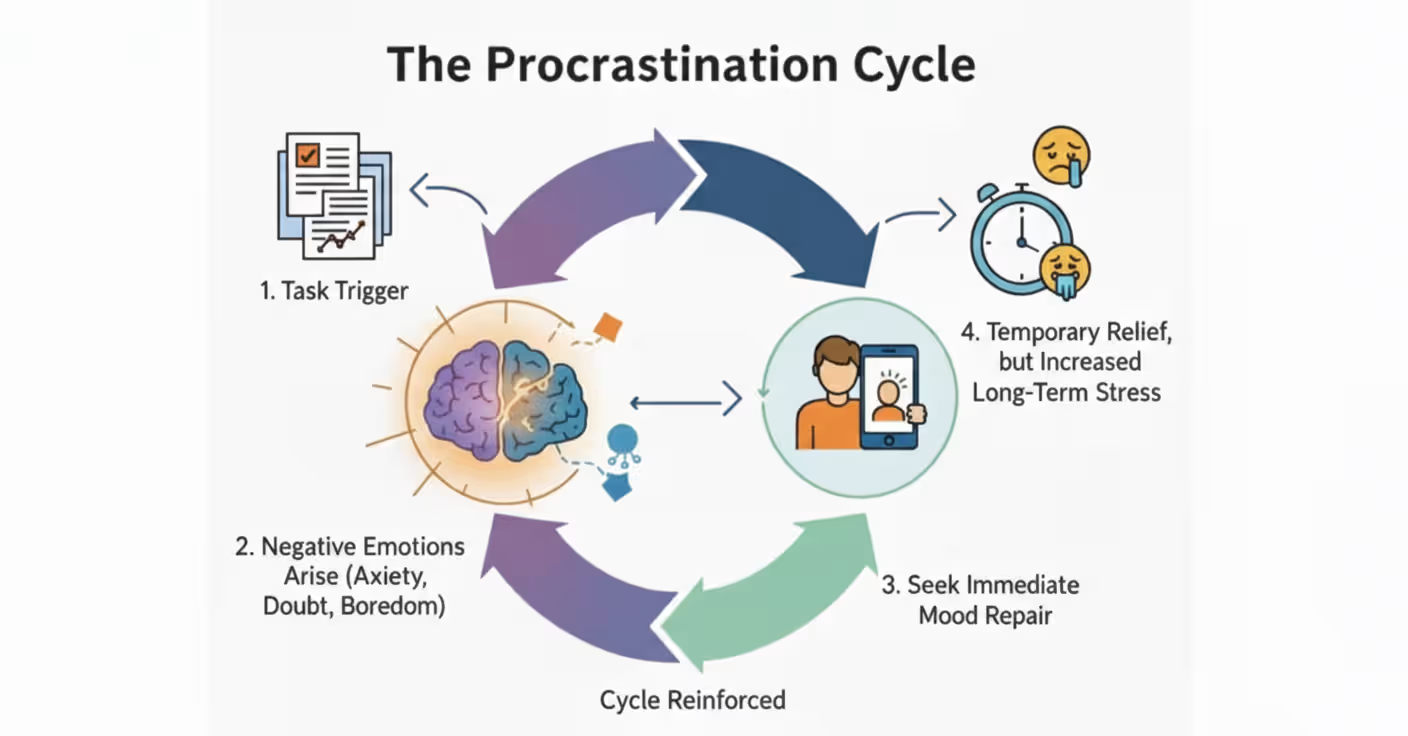
Anxiety and stress are deeply intertwined with our cognitive function. When the body is in a state of stress or anxiety, it activates the "fight or flight" response, prioritizing survival functions over higher-order thinking. The amygdala, the brain's threat-detection center, becomes hyperactive, while activity in the prefrontal cortex diminishes. This neurological shift makes it incredibly difficult to concentrate on complex tasks, think clearly, or regulate emotions. The persistent mental chatter and worry associated with anxiety consume significant cognitive resources, leaving less available for focus and problem-solving. This creates a vicious cycle: stress and anxiety cause a decline in cognitive function, which in turn can lead to more stress and anxiety as tasks become more difficult to manage, further entrenching the feeling of being trapped in a mental fog.
The Science Behind Unstoppable Focus
Understanding the biological and chemical processes that govern our mental state is essential for developing effective rituals. Focus and clarity are not abstract concepts; they are the direct result of specific activities within our brain. By exploring the neuroscience of cognition, we can learn how to influence these processes to our advantage.
Your Brain: The Command Center of Clarity
The human brain, a complex network of approximately 86 billion neurons, is the command center for all cognitive function. The prefrontal cortex (PFC), located at the front of the brain, acts as the chief executive officer. It is responsible for executive functions such as planning, decision-making, working memory, and directing attention. Achieving mental clarity means ensuring the PFC is functioning optimally. When the PFC is well-rested, well-nourished, and not overwhelmed by stress signals from other brain regions like the amygdala, it can effectively manage our thoughts and actions, allowing us to maintain sustained focus and think clearly. Our daily rituals directly impact the health and efficiency of this critical brain region.
Neurotransmitters and Their Role in Cognitive Function (Dopamine, Acetylcholine)
Neurotransmitters are chemical messengers that transmit signals between neurons, playing a pivotal role in regulating mood, motivation, and cognitive function. Two key players in mental clarity are dopamine and acetylcholine. Dopamine is crucial for motivation, focus, and reward. When dopamine levels are balanced, we feel driven and can concentrate on tasks to achieve a goal. Imbalances can lead to procrastination and an inability to sustain attention. Acetylcholine is vital for learning and memory. It enhances the ability of neurons to respond to signals, effectively boosting the signal-to-noise ratio in the brain. This allows us to encode new memories more effectively and maintain attention on specific stimuli. Lifestyle factors like diet, exercise, and sleep have a profound impact on the production and regulation of these essential neurotransmitters.
How Sleep Cleanses the Brain and Restores Mental Function
Sleep is far more than a period of passive rest; it is a critical maintenance phase for the brain. During deep sleep, the glymphatic system—the brain's unique waste-clearance pathway—becomes highly active. This system flushes out metabolic byproducts and neurotoxins, such as beta-amyloid, that accumulate during waking hours. Without sufficient quality sleep, these toxins can build up, impairing neuronal communication and leading directly to the symptoms of brain fog. Furthermore, sleep is essential for memory consolidation, the process by which short-term memories are stabilized and transferred to long-term storage. A full night of restorative sleep, typically 7-9 hours for most adults, is non-negotiable for restoring mental function and achieving next-day clarity.
The Impact of Inflammation and Antioxidants on Brain Health
Chronic inflammation is a significant, often overlooked, enemy of cognitive function. When the body is in a state of chronic inflammation, pro-inflammatory cytokines can cross the blood-brain barrier, disrupting neurotransmitter balance and contributing to neuronal damage. This neuroinflammation is linked to a host of cognitive issues, including memory impairment, mental fatigue, and depression. A powerful defense against this is a diet rich in antioxidants. Antioxidants are molecules that neutralize free radicals, unstable atoms that can damage cells and contribute to aging and disease. Foods rich in antioxidants—such as berries, leafy greens, and nuts—help protect brain cells from oxidative stress and reduce inflammation, thereby supporting long-term brain health and preserving cognitive function.
Cortisol Levels: The Enemy of Sustained Focus
Cortisol, often called the "stress hormone," is essential for the body's fight-or-flight response. In short bursts, it can enhance alertness. However, chronic stress leads to persistently elevated cortisol levels, which can have a devastating effect on the brain. High cortisol can damage and shrink the hippocampus, a brain region critical for learning and memory. It also disrupts the function of the prefrontal cortex, making it harder to control impulses, manage attention, and think clearly. This hormonal imbalance can create a state of hypervigilance and anxiety, where the brain is constantly scanning for threats, leaving very little cognitive bandwidth for deep, focused work. Managing stress through daily rituals is therefore not just about feeling better; it's about protecting the brain's physical structure and chemical balance to enable sustained focus.
Morning Momentum: Rituals to Ignite Your Day with Clarity
The first hour of your day has a disproportionate impact on your mental state for the remaining hours. By establishing a consistent morning ritual, you can proactively set the stage for focus, calm, and cognitive performance, rather than starting the day in a reactive, chaotic state.
Hydration as Your First Act: Fueling Your Cells for Optimal Function
After several hours of sleep, your body is naturally dehydrated. Since the brain is composed of about 75% water, even mild dehydration can impair cognitive function, affecting memory, mood, and decision-making. Making hydration the very first act of your day is a simple yet powerful ritual. Before reaching for coffee, drink a large glass of water. This simple act rehydrates your body, aids in flushing out toxins, and delivers essential oxygen to the brain, effectively "waking up" your cognitive processes. It provides the foundational fuel your cells need for optimal function before any other demand is placed upon them.
The Mindful Wake-Up: Gentle Transition from Sleep to Awareness
The abrupt sound of a jarring alarm can immediately trigger a stress response, flooding your system with cortisol and starting your day on a note of anxiety. A more mindful transition from sleep to wakefulness can preserve mental calm. Consider using an alarm that gradually increases in volume or one that simulates a sunrise. Upon waking, resist the urge to immediately grab your phone. Instead, take a few moments to simply lie in bed and notice the sensations in your body. Perform a gentle body scan, bringing awareness to your breath and the feeling of being present. This gentle transition helps to ease your nervous system into the day, promoting a state of calm alertness rather than frantic reactivity.
Light Movement Ritual: Boosting Circulation and Energy
Engaging in light physical movement within the first 30 minutes of waking can dramatically improve mental clarity. You don't need an intense workout; a simple ritual of 5-10 minutes of stretching, yoga, or a short walk is highly effective. Movement increases blood flow and oxygen to the brain, which enhances neuronal activity and cognitive function. It also stimulates the release of endorphins, neurotransmitters that improve mood and reduce the perception of pain. This boost in circulation and positive neurochemicals helps to shake off any lingering sleep inertia and energizes both the body and the mind for the day ahead.
Intentional Day Setting: Prioritizing Your Focus with Checklists and Goals
Before diving into emails and external demands, take a few minutes to set your own agenda. This ritual involves identifying the one to three most important tasks that will make your day successful. This is not about creating an exhaustive to-do list but about defining your priorities. Writing these goals down anchors your focus and provides a clear roadmap for your time and energy. This act of intentional planning shifts your mindset from reactive to proactive, empowering you to direct your day according to your own objectives rather than being pulled in multiple directions by the agendas of other people. It ensures that your most valuable cognitive resources are allocated to what truly matters.
Mindful Mornings: Short Meditation or Breathwork for Inner Calm
Starting the day with a short mindfulness practice can be transformative for mental clarity. A 5-10 minute meditation or a few rounds of structured breathwork (such as box breathing) can calm the nervous system, reduce baseline anxiety, and improve your ability to focus. These practices train the prefrontal cortex to better regulate attention and emotional responses. By observing your thoughts without judgment, you create a small space between stimulus and response, a space that allows for more intentional action throughout the day. This ritual cultivates a foundation of inner calm, making you less susceptible to the stressors and distractions that will inevitably arise.
Mid-Day Recharge: Sustaining Focus and Beating the Afternoon Slump
Maintaining mental clarity is not just about a strong start; it's about implementing strategies to sustain that focus throughout the entire day. The afternoon, often marked by a natural dip in energy and alertness, requires intentional rituals to recharge your cognitive resources and combat mental fatigue.
The Power of Active Breaks: Breaking the Cycle of Mental Fatigue
Prolonged periods of focused mental work deplete cognitive resources, leading to diminished attention and performance. The brain is not designed for marathon-like sprints of continuous concentration. The most effective way to combat this is through active breaks. The Pomodoro Technique, for instance, involves working in focused 25-minute intervals separated by short 5-minute breaks. During these breaks, it is crucial to disengage completely from the task. Step away from your desk, stretch, walk around, or look out a window. These short, regular breaks prevent the buildup of mental fatigue and allow your brain to consolidate information and reset, ensuring a higher quality of focus when you return to your work.
Mindful Eating: Fueling Your Brain Without the Post-Lunch Fog
What you eat for lunch has a direct and immediate impact on your afternoon cognitive function. Heavy meals rich in refined carbohydrates and sugars can cause a rapid spike and subsequent crash in blood sugar levels, leading to the notorious post-lunch fog and lethargy. A brain-healthy lunch should consist of lean protein, healthy fats (like avocado or olive oil), and complex carbohydrates (from vegetables and whole grains). This combination provides a steady supply of glucose to the brain, stabilizes energy levels, and provides the essential nutrients needed for neurotransmitter production. Practicing mindful eating—paying full attention to the experience of eating and listening to your body's hunger cues—can also prevent overeating and improve digestion, further contributing to sustained afternoon clarity.
Digital Detox Moments: Reclaiming Your Focus from the Mobile Phone
Our mobile phones are powerful tools but also potent sources of distraction that fragment our attention. During breaks or moments of transition, the reflexive habit is often to scroll through social media or news feeds. This activity, while seemingly passive, bombards the brain with novel stimuli, preventing it from truly resting and recharging. Institute a ritual of scheduled "digital detox" moments throughout the day. Designate specific times when your phone is out of sight and out of mind. Use your short breaks for non-digital activities. This intentional disconnection allows your brain's attentional systems to recover, reducing the feeling of being constantly "on" and making it easier to return to deep work with renewed focus.
The "5-Minute Focus Reset": Quick Techniques to Combat Stress and Refocus
When you feel stress, overwhelm, or distraction creeping in, a quick reset ritual can bring your mind back to a state of clarity. This can be as simple as a 5-minute guided meditation, a short breathwork exercise, or a grounding technique. One effective method is the 4-7-8 breathing technique: inhale through your nose for a count of four, hold your breath for a count of seven, and exhale completely through your mouth for a count of eight. Repeating this several times can activate the parasympathetic nervous system, slowing your heart rate and calming feelings of anxiety. This quick intervention can effectively interrupt a stress cycle and clear your mental slate, allowing you to refocus on the task at hand.
Connecting with Nature: A Brief Exposure for Mental Refreshment
Even a brief exposure to nature can have a powerful restorative effect on cognitive function. Studies have shown that spending time in natural environments can reduce mental fatigue, lower cortisol levels, and improve concentration. If possible, take one of your mid-day breaks outside. Walk in a nearby park, sit under a tree, or simply gaze out a window at a natural scene. This practice, known as "nature therapy" or ecotherapy, leverages our innate connection to the natural world to reset the mind. It provides a soft fascination that captures attention effortlessly, allowing the brain's directed-attention mechanisms to rest and recover, leading to a significant boost in mental clarity upon returning to work.
Evening Wind-Down: Rituals for Restorative Sleep and Next-Day Clarity
The quality of your evening directly determines the quality of your next day's mental state. An intentional wind-down ritual is crucial for signaling to your brain and body that it is time to transition from an active state to one of rest and recovery, setting the stage for the deep, restorative sleep necessary for optimal cognitive function.
The Digital Sunset: Setting Boundaries with Screens Before Bed
The blue light emitted from electronic screens—phones, tablets, computers, and televisions—is particularly disruptive to sleep. It suppresses the production of melatonin, the hormone that regulates the sleep-wake cycle, tricking your brain into thinking it is still daytime. To counteract this, establish a "digital sunset" ritual. This involves turning off all screens at least 60-90 minutes before your intended bedtime. This screen-free period allows your brain's natural melatonin production to begin, facilitating an easier transition into sleep. Use this time for calming, non-digital activities such as reading a physical book, listening to calming music, gentle stretching, or journaling. This single habit can significantly improve the quality and duration of your sleep, which is the cornerstone of next-day mental clarity, memory consolidation, and emotional regulation. Creating this buffer is a non-negotiable step for anyone serious about improving their mental function and reducing the feeling of morning fog.
Conclusion
The pursuit of unstoppable mental clarity is not about finding a single secret or a quick fix. It is about the conscious and consistent application of daily rituals that support the intricate functions of our brain and body. By understanding the science behind focus and the common adversaries like stress, poor sleep, and anxiety, we can move from a state of passive reaction to one of proactive cultivation. The journey begins by transforming disconnected tips into a cohesive lifestyle built upon intentional practices.
From the initial act of hydration in the morning to the final digital sunset at night, each ritual serves a specific purpose: to fuel your brain, calm your nervous system, manage your energy, and prepare your mind for restorative rest. These practices work synergistically, creating a powerful upward spiral where improved sleep leads to better morning focus, which in turn leads to a more productive day with less stress, culminating in a more restful evening.
To begin, choose just one or two rituals from each part of the day—morning, mid-day, and evening—that resonate most with you. Implement them consistently for a week. Notice the subtle shifts in your feeling of alertness, the quality of your focus, and your overall mental state. As these actions become habit, gradually incorporate others. This methodical approach ensures that the transition is sustainable, transforming your entire day into a supportive structure for peak cognitive function. By embracing these daily rituals, you are not just clearing away the fog; you are actively building a life of sustained focus, profound clarity, and unwavering mental strength.